
I grew up in rural Jamaica during the late 1960s and ’70s. In a small district in the eastern parish of St. Thomas named Norris, part of the larger Yallahs area. In Norris and the surrounding neighborhoods like Heartease, Woodbourne, Easington, and Gutter Head, life was measured in small things. How early the roosters crowed and drove us out of our slumber, heralding the start of the day. The sound of rain on zinc roofs that made us sleep like babies, unless your roof leaked and the first cold drip would jolt you out of your dream, and you would jump up, shift the bed, and put pots from the kitchen on the floor to catch the water. And the smell of Sunday dinners floating from houses up and down the neighborhood. Individually, as families, we generally didn’t have much. But, looking back, I realize we had something powerful: a way of communal living that was stitched together, as neighbors, by sharing whatever we had, no matter how small, which made things work for everyone. Life was beautiful.
Back then, farmers coming down from the hills above Windsor Castle, which we called “Mountn,” used to pass our house early on Saturday mornings, donkeys with hampers swaying and slapping their sides in syncopated rhythm under the weight of freshly dug yams and sweet potatoes, bundles of callaloo, plantains, pumpkins and bananas. They were headed to Easington Market, located at the foot of the road that led up to my primary school, to sell their goods. Without fail, one would slow their pace, call out to my mother, “Miss Lil, bring wan basket come!” And when she did, they would place some of the produce in it. No charge. That wasn’t charity. That was life. That was custom.
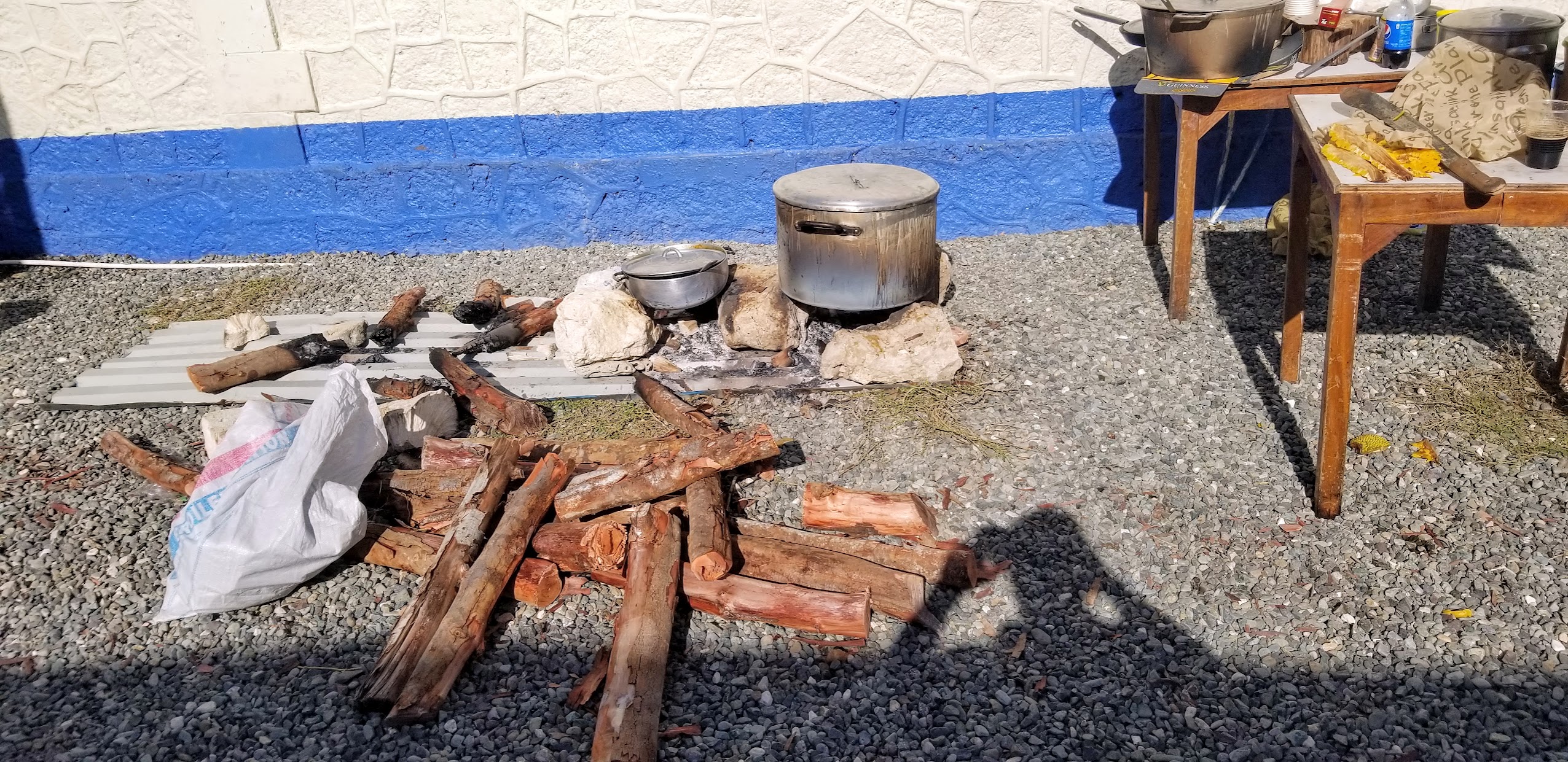
During the week, moms would prepare dinner from anything they had available, no matter how simple, so long as it filled our bellies. But Sundays were a ritual of their own. That was when families splurged, even if it meant counting the pennies. The dinner would start the night before. Soaking the peas for the rice and peas. Grating and juicing coconuts by hand for the coconut milk that would be added to it. Seasoning the goat, or chicken, or beef with fresh herbs and spices. Then, while preparing breakfast, my mother, and all mothers for that matter, would set dinner pots bubbling and simmering on the kerosene stove or charcoal or wood fire with succulent goodness inside, adding flavor to the morning air, straight into mid-afternoon. And then the sharing began. Across wooden and barbed-wire fences and hedges, plates of food would pass. Just a little of what we had, shared because that’s what my people in Norris did. It wasn’t planned or owed. It was part of the rhythm of life.
In Norris, the true spirit of community shone bright in times of need. When a neighbor fell ill and couldn’t manage on their own, the entire district would respond with quiet compassion and swift action. They prepared meals without hesitation. They cleaned the house. They took clothes to Collier’s Spring or to Yallahs River in wash pans balanced on their head to be washed and dried on stones under the sun, then folded neatly and returned. It wasn’t about who had the most, but who gave the most from what little they had. In these moments, the bonds of kinship stretched far beyond blood, as each person became a part of a wider family, showing that in Jamaican rural life, the welfare of one was the concern of all.
It was only much later in my life that I realized that this deeply communal way of living didn’t just come out of rural Jamaican culture. It was something older, deeper. It was a survival blueprint handed down from our enslaved ancestors.
Back on the plantations, enslaved Africans had nothing. No property, no independence, and often no family that wasn’t ripped apart by force. But they had each other. And they found ways to survive. Together.
They created informal economies long before the term existed. They grew food on their little plots of assigned land. Under harsh conditions. And they shared their harvests. They passed down recipes and healing herbs and mothered each other’s children when biological mothers couldn’t. They sang in harmony to keep each other sane, whispered hope between rows of sugarcane, and used the smallest gestures to keep each other’s spirits going. Hiding a piece of stolen saltish and sharing it under the quiet freedom of nightfall. Simple acts of resistance, but of survival too.
What I lived as a child was the echo of all of that.
When my mother gave away mangoes or coconuts from our trees without thinking twice, she was carrying on the tradition of provision ground generosity. Plantation-born and community-preserved. When my neighbors came together to help pay for a funeral or gather around a sick family, they were continuing a pattern first formed when enslaved people pooled what they had. Time, skill, or small change, to look after their own when no one else would.
The idea that “we’re in this together” wasn’t a slogan in Norris. It was just how we lived. And I truly believe that mindset was a direct inheritance from a time when survival depended not on individual wealth, but on collective strength.
Even today, I see it in Jamaican and Caribbean communities near and far. In the way we “throw partner” in Jamaica, or “asue” in Haiti to help each other save. In the way someone might cook a pot of soup or bake a sweet potato pudding and bring some over without being asked. In how we help raise each other’s children, how we gather for nine nights and lend a hand at weddings, baptisms, or when the roof starts leaking. Even on the scale of the whole neighborhood of farmers giving a day’s work, free, to help one farmer till his soil and plant his crops, which is then reciprocated until all farms are in production. These aren’t coincidences. They’re cultural memory at work.
We may have left the plantations long ago, but the survival strategies born in that crucible live on in how we treat one another in rural Jamaica, with generosity, with dignity, and with the instinct to care.
So, when I think about the men on the road with their donkeys, or the women passing plates over fences, or the children running between yards like family, it’s clear to me now: they weren’t just kind people. They were part of a much larger story. One that began in pain but grew into something beautiful. Because even now, after centuries, we understand something essential: we’re still in the same boat. And that boat floats on the kindness, resilience, and shared spirit of those who came before us.

 Through My Periscope
Beautiful Peter!
You continue hitting the ball out of the park!
Great memories.
This made me reflect on those days I would go to the market and wage war with my country people on everything, asking for mek up! These old folks would laugh at me, but they knew I was serious and would not move or pay them unless I got my mek-up!😁 After a while they knew me enough to do it without me asking.
I also enjoyed going to the meat stall enjoying the freshly killed animals and buying whatever…
Great days!
LikeLike
Excellent and authentic writing! Takes me (or any, Jamaican) back down memory lane!
LikeLike