
Jamaica is often in the news about crime. Now and again, they make a big splash about it in overseas media, like here in the USA, where I live. If you’re from Jamaica like me or have roots there, you’ve probably felt that familiar frustration when reading these headlines. Frustration on two fronts. Sure, crime is a reality on the Rock, as it is everywhere, but how did we get there in a country that doesn’t even manufacture guns yet somehow struggles with violence? It’s a tough question., but it’s not the whole story of Jamaica. There’s often a missing piece. That is the spirit, the resilience, and the beauty that still draw people from around the world to this tiny island.
Overseas media often paint an image of Jamaica as if crime permeates every corner. Travel advisories sometimes lean in this direction, warning visitors as though they’re entering a country that is a total danger zone. But that’s not the case though. Millions of tourists flock to the island every year. For the vast majority, their experiences are nothing but memorable—vibrant landscapes, welcoming locals, and all the charm and rhythm that the country offers. And they keep returning. Diaspora Jamaicans, like me, go home regularly, and most of us enjoy our visits with no issues. Yes, there have been cases where travelers or returning residents have become victims, which is heartbreaking. Yet, in the grand scope of things, such cases are rare compared to the volume of visitors who come and go without a hitch. The Jamaica that’s left out of these advisories is the Jamaica that still thrives, welcoming anyone who sets foot on its shores.
So, why do we, tourists and diaspora alike, keep returning? The reasons are many and varied, deeply embedded in what Jamaica offers beyond the headlines.
For starters, there’s the landscape itself—a natural beauty that’s hard to find elsewhere. Whether it’s the cascading waterfalls of Dunn’s River, the Blue Mountains’ misty peaks, or the pristine beaches that line the coast, Jamaica has a way of grounding you in nature. It’s a beauty that feels untouched, a little wild, yet endlessly inviting.

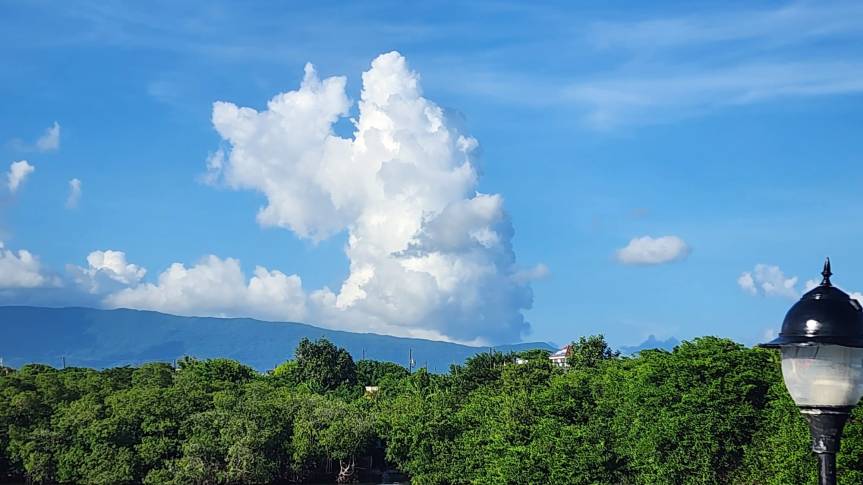
View from Cerulean Bay, looking north. East Prospect, St. Thomas
Then, there’s the culture. Jamaica’s spirit is in every beat of reggae, every sip of rum, every laugh shared over a plate of jerk chicken, curried goat or oxtail, or a steaming bowl of mannish water or red peas soup. Jamaicans live with a vibrant passion that spills over into everything they do, from the food to the music to their welcome. For anyone who’s felt the warmth of a Jamaican’s “Yeah, mon” or “Welcome to Jamaica” greeting, you know what I mean.
And for us in the diaspora, Jamaica isn’t just a destination; it’s a feeling of coming home, of reconnecting with roots, family, and friends. Visiting reminds us of who we are and where we come from. It’s a reunion with our history, our family traditions, and even a taste of the newest Patwa expressions or the latest dance moves. For me, the familiarity with what might seem simple things to others—like stopping at a street vendor for roast corn or listening to the waves while enjoying steam fish and bammy at Hellshire Beach—makes going back feel right.
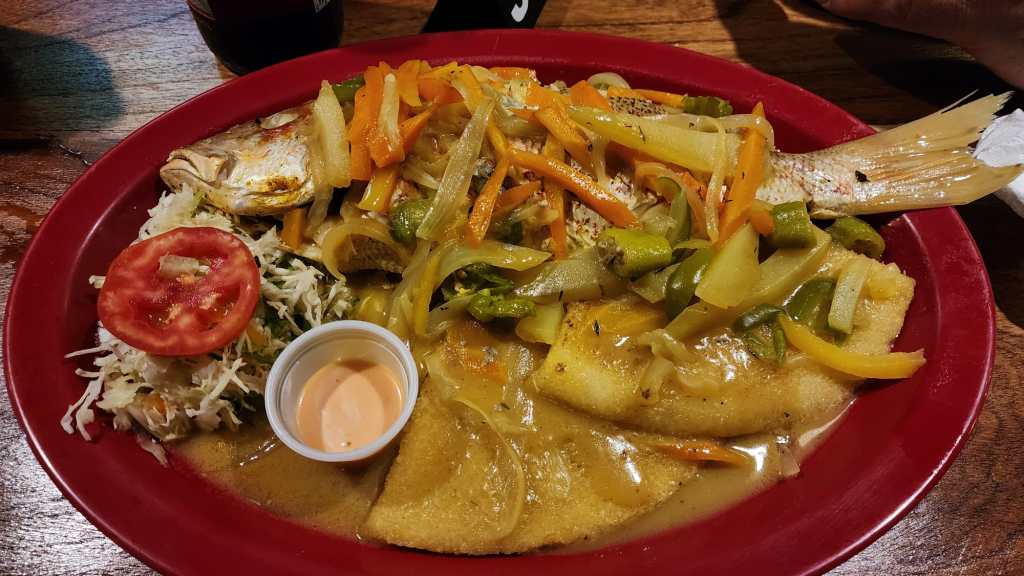
Steamed fish and bammy. Yummy!
And, talking about food, it is one of the biggest draws of going back to Jamaica, especially to St. Thomas. The taste of fresh, unprocessed food simply can’t be matched by the processed options we often find in America. When I’m back on the Rock, I find the flavors are vibrant, full, and real. I love picking mangoes straight from the trees in Norris or enjoying vegetables just harvested from the farm of a friend. Mangoes, breadfruit, ackee, and fresh callaloo all taste like they’re supposed to: rich and full of nutrients. Each bite reminds me of what food should taste like, with no preservatives or artificial flavors—just pure, natural goodness that makes every meal unforgettable.
One of the things I cherish most when I’m back home, too, is how we share and connect with each other. Memories of growing up in my district. Neighbors aren’t just people who live next door; they’re like family. We visit each other, chat by the fence, share food and celebrate birthdays or other milestones together. If there’s a special dish cooking, especially on a Sunday, a plate will get passed over the fence, or someone will bring by a slice of freshly baked cornmeal or sweet potato pudding. There’s no formality; we share and connect in a natural, effortless way. It’s a level of community that’s hard to find elsewhere and one I deeply miss when I’m away.
In Jamaica, getting around in the very rural areas is less about driving and more about walking, That is what I was used to. We walk everywhere, whether to visit a neighbor, go to the local shop or the post office in Yallahs, or just to go into the hills to get varieties of mangoes we did not have at home. Or, to drop the judgin’ clothes, put on some nice fare, and go for a Sunday afternoon walk after dinner, hoping to meet fudgie along the way. In St. Thomas, walking kept us active and connected to the land and our surroundings. Each step was a part of daily life, so it didn’t feel like exercise but rather a natural way to stay fit and grounded. Walking the roads I grew up on or hiking to the river reminds me of Jamaica’s slower, more connected lifestyle—far from the hustle and bustle that dominates my experience overseas.
Life in Jamaica teaches you patience and adaptability, especially in the country. If the water goes out, we head to the river. If the electricity cuts, we light our lamps and carry on. We bitch about it, but ironically, there’s a calm acceptance stemming from the usedtoness of things we can’t control, which creates peace. St. Thomas, like many rural areas in Jamaica, moves at a different pace where people don’t get stressed out over temporary inconveniences. Instead, we find creative solutions and take it in stride. This attitude is a relief from the fast-paced, high-stress life that often defines life in the diaspora.
Back in Jamaica, life is lived outdoors. In St. Thomas, the fresh air and open spaces invite us to spend our days outside—going to the river, working in small gardens, or raking the yard. Tending to plants, pulling weeds, and harvesting fruits become meaningful parts of daily life. I find a deep sense of satisfaction and connection in these simple activities. The beach or river is never far away, and spending time in nature is just part of the rhythm of life. This outdoor lifestyle is something I’ve missed while living abroad, and it’s a shared way of life across the Caribbean—a region where the land itself feels like family.
Living overseas, we exist. In Jamaica, we live.
 Through My Periscope