Remembering Hurricane Gilbert: A Story of Loss and Unity

It was Sunday afternoon, September 11, 1988. I remember it as though it were yesterday. I was sitting at home in Kingston, watching television. A typical quiet Sunday with no sense that anything was about to change. A neighbor stopped by, on the way from church, and there was something different in her voice. She said she had passed a long line at the shop down the road, people stocking up on food, water, and supplies. Curious, she had asked what was happening, and the answer startled her: a hurricane was coming. That was the first I heard of it. I hadn’t caught a whisper of warning before then. Only after she said it did I switch on the radio, and there it was, urgent and unrelenting. Hurricane Gilbert was approaching Jamaica. I scrambled to prepare, buying what I could. Canned and dry food. Candles and batteries for the flashlights. I did not have bottled water back in the day, so I filled all the containers I had, both for drinking and for domestic activities. Bathing and washing. Would I be prepared enough? It seemed Gilbert was shaping up to be a serious one.

The next day, Monday, September 12, around midday, Gilbert arrived. At first, it was hardly impressive. Just a whimper of wind against the house. A kind of restless breeze that made me wonder if the warnings were exaggerated. But soon, the storm began to build. The wooden louvres downstairs started flexing in and out as though they were breathing. Through the crack of the door, I saw tall trees bending, swaying, and then snapping like matchsticks. The sound of it stays with me even now: wood breaking, zinc screeching, the howl of a wind that seemed determined to tear everything down. Gilbert came ashore with sustained winds of over 125 miles per hour, a Category 3 hurricane, and unlike some other storms that brush one corner of the island now and again, this one crossed the entire length of Jamaica. The eye carved a path from east to west, leaving no parish untouched.
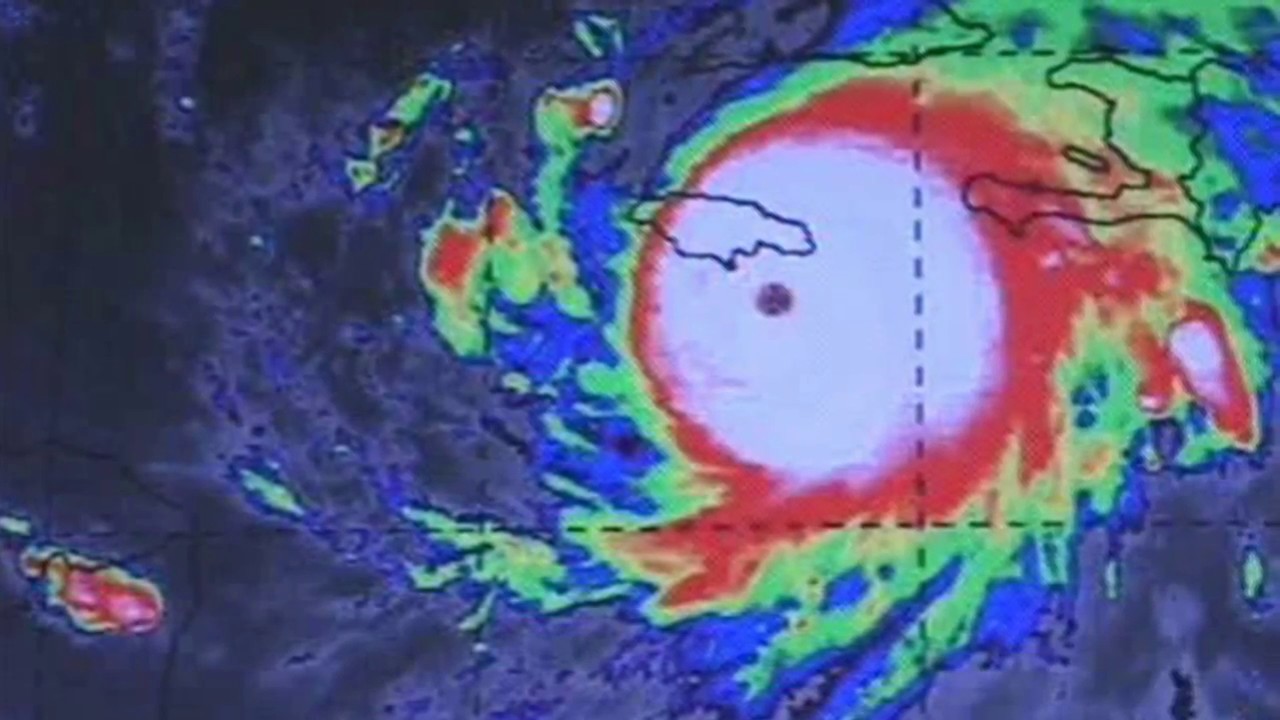
The storm raged for what felt like hours, though I suppose it was only two or so. Then came a sudden stillness. The winds dropped, the rain stopped, and the world outside was strangely a dull kind of bright. I stepped out into the eye of the storm, bolstered the door and windows again, and walked out from Wiggan Loop down Barbican Road. Neighbors were all milling around. Already, roofs were gone. Houses torn open. Trees scattered across the road. And even in the midst of it, Jamaicans found a way to laugh. We joked about the shiny cars sitting in open garages where the roofs had vanished, cars polished and gleaming but now utterly exposed. It was absurd, and maybe laughter was our way of keeping fear at bay. Crying would have done nothing to stop the storm. But the calm was only temporary. Slowly, the winds began to stir again, this time from the opposite direction, and before long, the second half of Gilbert was upon us. Stronger, fiercer, more brutal than before, the storm howled through the night. Zinc sheets became blades, slicing through the sky. Trees that had survived the first battering toppled under the second. The windows battled against the force of the wind, and I held my breath, waiting for the storm to pass.

By morning, Jamaica was a different place. When I stepped outside, the air itself felt sharper, and the light seemed almost too bright. With so many trees gone, the sky poured down unfiltered, and from my vantage point, it was like I could see clear toward downtown Kingston if I looked hard enough. But, in all, it was a view I had never had before. People wandered the streets in disbelief, greeting neighbors, surveying the damage. Gilbert left behind destruction on a scale few had ever seen. Almost 50 Jamaicans had lost their lives. Entire communities were flattened, banana fields destroyed, coconut groves and sugar crops wiped out. The official figures would later say the damage in Jamaica alone exceeded millions of dollars, but the real cost was written in grief, in broken homes, in lives forever changed.

Survival in the days afterward was its own battle. There was no electricity, no running water, no phones. I lived on canned food, growing tired of the taste but knowing it was all I had. I nursed the water I had, hoping not to run out of it too quickly, for fear of not easily finding fresh supplies. The roads were blocked, so I had no way to reach my family in St. Thomas. For three long days, I knew nothing. Only waiting and wondering if they were alive. But I had faith. At last, a high school friend who had made it through Yallahs into Morant Bay carried the news that I needed. My parents, brothers, sisters, nieces, and nephews were all safe, it seemed. Relief flooded through me. But joy was tempered by loss. My maternal grandmother, who lived alone in Kingston, never came back after Gilbert. She hadn’t gone to St. Thomas or to a sister who also lived in Kingston. And none of her church sisters had seen her. Thirty-seven years later, we still don’t know exactly what happened to her.

The irony is bitter. My grandmother had survived another hurricane exactly 37 years before Gilbert. Hurricane Charlie, which hit Jamaica in 1951, was one that I grew up hearing about. How devasting it was. At that time, my mother had two infant sons, my eldest siblings, and all four of them lived together in a small wooden house in Kingston. My mother told me that when the wind started to pick up, she clutched the children and stepped out into the storm to find shelter, as she feared the walls of the little house were going to buckle. At first, her mother had refused to leave, but she followed her and the kids, stumbling through the howling wind and pounding rain, until they found shelter. By the next morning, their house was flattened. But she and the kids survived. Her mother, my grandmother, survived, too. Yet, 37 years later, almost to the day, Gilbert took my grandmother. I remember watching my mother one day, a few short years afterward, staring into the distance, a single tear slipping down her cheek. When I asked what was wrong, she softly whispered that she was thinking about her mother. I feel she carried that grief until her death in 1994, six years after Gilbert, and I believe she left this world with a broken heart. But I also believe that somewhere beyond the reach of storms, they are reunited, together again.

What stays with me about Gilbert is not only the devastation but the spirit of the people who endured it. We laughed in the face of flying zinc and fallen trees, because laughter was our shield. We shared what we had when supplies were scarce, because community was the only way through. Gilbert was a storm that stripped Jamaica bare, but it also revealed our resilience. Thirty-seven years later, I can still hear the winds in my mind, still see the brightness of that first morning after. Still remember the silence of waiting for news. Gilbert is more than a memory of destruction; it is a reminder of how fragile life is, how much family means, and how Jamaicans, no matter what comes, always find a way to endure. And a constant reminder of my grandmother.
Legacy of Sharing: From Plantation to Community

I grew up in rural Jamaica during the late 1960s and ’70s. In a small district in the eastern parish of St. Thomas named Norris, part of the larger Yallahs area. In Norris and the surrounding neighborhoods like Heartease, Woodbourne, Easington, and Gutter Head, life was measured in small things. How early the roosters crowed and drove us out of our slumber, heralding the start of the day. The sound of rain on zinc roofs that made us sleep like babies, unless your roof leaked and the first cold drip would jolt you out of your dream, and you would jump up, shift the bed, and put pots from the kitchen on the floor to catch the water. And the smell of Sunday dinners floating from houses up and down the neighborhood. Individually, as families, we generally didn’t have much. But, looking back, I realize we had something powerful: a way of communal living that was stitched together, as neighbors, by sharing whatever we had, no matter how small, which made things work for everyone. Life was beautiful.

Back then, farmers coming down from the hills above Windsor Castle, which we called “Mountn,” used to pass our house early on Saturday mornings, donkeys with hampers swaying and slapping their sides in syncopated rhythm under the weight of freshly dug yams and sweet potatoes, bundles of callaloo, plantains, pumpkins and bananas. They were headed to Easington Market, located at the foot of the road that led up to my primary school, to sell their goods. Without fail, one would slow their pace, call out to my mother, “Miss Lil, bring wan basket come!” And when she did, they would place some of the produce in it. No charge. That wasn’t charity. That was life. That was custom.

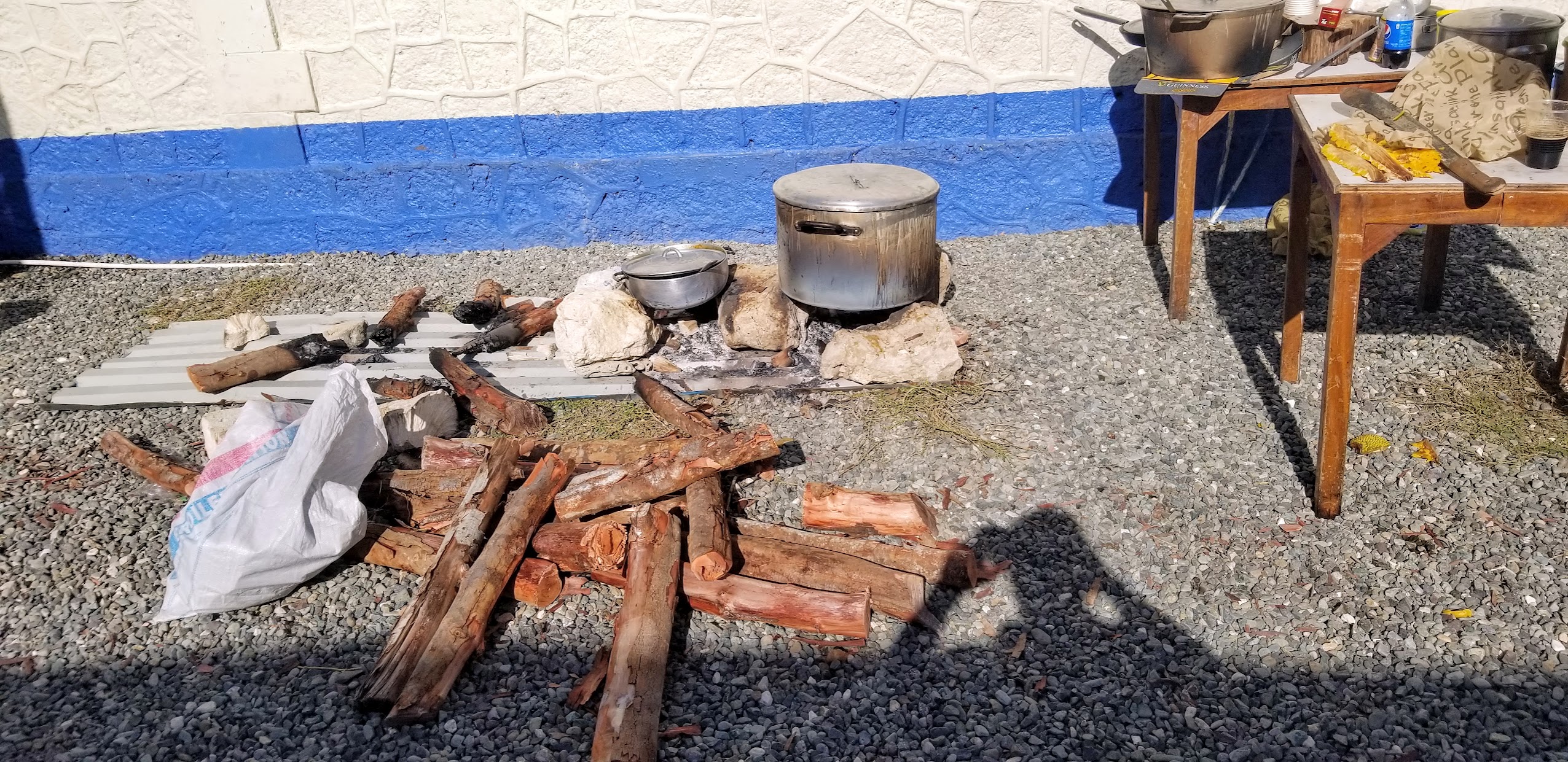
During the week, moms would prepare dinner from anything they had available, no matter how simple, so long as it filled our bellies. But Sundays were a ritual of their own. That was when families splurged, even if it meant counting the pennies. The dinner would start the night before. Soaking the peas for the rice and peas. Grating and juicing coconuts by hand for the coconut milk that would be added to it. Seasoning the goat, or chicken, or beef with fresh herbs and spices. Then, while preparing breakfast, my mother, and all mothers for that matter, would set dinner pots bubbling and simmering on the kerosene stove or charcoal or wood fire with succulent goodness inside, adding flavor to the morning air, straight into mid-afternoon. And then the sharing began. Across wooden and barbed-wire fences and hedges, plates of food would pass. Just a little of what we had, shared because that’s what my people in Norris did. It wasn’t planned or owed. It was part of the rhythm of life.

In Norris, the true spirit of community shone bright in times of need. When a neighbor fell ill and couldn’t manage on their own, the entire district would respond with quiet compassion and swift action. They prepared meals without hesitation. They cleaned the house. They took clothes to Collier’s Spring or to Yallahs River in wash pans balanced on their head to be washed and dried on stones under the sun, then folded neatly and returned. It wasn’t about who had the most, but who gave the most from what little they had. In these moments, the bonds of kinship stretched far beyond blood, as each person became a part of a wider family, showing that in Jamaican rural life, the welfare of one was the concern of all.

It was only much later in my life that I realized that this deeply communal way of living didn’t just come out of rural Jamaican culture. It was something older, deeper. It was a survival blueprint handed down from our enslaved ancestors.

Back on the plantations, enslaved Africans had nothing. No property, no independence, and often no family that wasn’t ripped apart by force. But they had each other. And they found ways to survive. Together.

They created informal economies long before the term existed. They grew food on their little plots of assigned land. Under harsh conditions. And they shared their harvests. They passed down recipes and healing herbs and mothered each other’s children when biological mothers couldn’t. They sang in harmony to keep each other sane, whispered hope between rows of sugarcane, and used the smallest gestures to keep each other’s spirits going. Hiding a piece of stolen saltish and sharing it under the quiet freedom of nightfall. Simple acts of resistance, but of survival too.

What I lived as a child was the echo of all of that.

When my mother gave away mangoes or coconuts from our trees without thinking twice, she was carrying on the tradition of provision ground generosity. Plantation-born and community-preserved. When my neighbors came together to help pay for a funeral or gather around a sick family, they were continuing a pattern first formed when enslaved people pooled what they had. Time, skill, or small change, to look after their own when no one else would.

The idea that “we’re in this together” wasn’t a slogan in Norris. It was just how we lived. And I truly believe that mindset was a direct inheritance from a time when survival depended not on individual wealth, but on collective strength.

Even today, I see it in Jamaican and Caribbean communities near and far. In the way we “throw partner” in Jamaica, or “asue” in Haiti to help each other save. In the way someone might cook a pot of soup or bake a sweet potato pudding and bring some over without being asked. In how we help raise each other’s children, how we gather for nine nights and lend a hand at weddings, baptisms, or when the roof starts leaking. Even on the scale of the whole neighborhood of farmers giving a day’s work, free, to help one farmer till his soil and plant his crops, which is then reciprocated until all farms are in production. These aren’t coincidences. They’re cultural memory at work.

We may have left the plantations long ago, but the survival strategies born in that crucible live on in how we treat one another in rural Jamaica, with generosity, with dignity, and with the instinct to care.

So,  when I think about the men on the road with their donkeys, or the women passing plates over fences, or the children running between yards like family, it’s clear to me now: they weren’t just kind people. They were part of a much larger story. One that began in pain but grew into something beautiful. Because even now, after centuries, we understand something essential: we’re still in the same boat. And that boat floats on the kindness, resilience, and shared spirit of those who came before us.

Jamaica: The Goodness Thereof

Jamaica is often in the news about crime. Now and again, they make a big splash about it in overseas media, like here in the USA, where I live. If you’re from Jamaica like me or have roots there, you’ve probably felt that familiar frustration when reading these headlines. Frustration on two fronts. Sure, crime is a reality on the Rock, as it is everywhere, but how did we get there in a country that doesn’t even manufacture guns yet somehow struggles with violence? It’s a tough question., but it’s not the whole story of Jamaica. There’s often a missing piece. That is the spirit, the resilience, and the beauty that still draw people from around the world to this tiny island.

Overseas media often paint an image of Jamaica as if crime permeates every corner. Travel advisories sometimes lean in this direction, warning visitors as though they’re entering a country that is a total danger zone. But that’s not the case though. Millions of tourists flock to the island every year. For the vast majority, their experiences are nothing but memorable—vibrant landscapes, welcoming locals, and all the charm and rhythm that the country offers. And they keep returning. Diaspora Jamaicans, like me, go home regularly, and most of us enjoy our visits with no issues. Yes, there have been cases where travelers or returning residents have become victims, which is heartbreaking. Yet, in the grand scope of things, such cases are rare compared to the volume of visitors who come and go without a hitch. The Jamaica that’s left out of these advisories is the Jamaica that still thrives, welcoming anyone who sets foot on its shores.

So, why do we, tourists and diaspora alike, keep returning? The reasons are many and varied, deeply embedded in what Jamaica offers beyond the headlines.

For starters, there’s the landscape itself—a natural beauty that’s hard to find elsewhere. Whether it’s the cascading waterfalls of Dunn’s River, the Blue Mountains’ misty peaks, or the pristine beaches that line the coast, Jamaica has a way of grounding you in nature. It’s a beauty that feels untouched, a little wild, yet endlessly inviting.

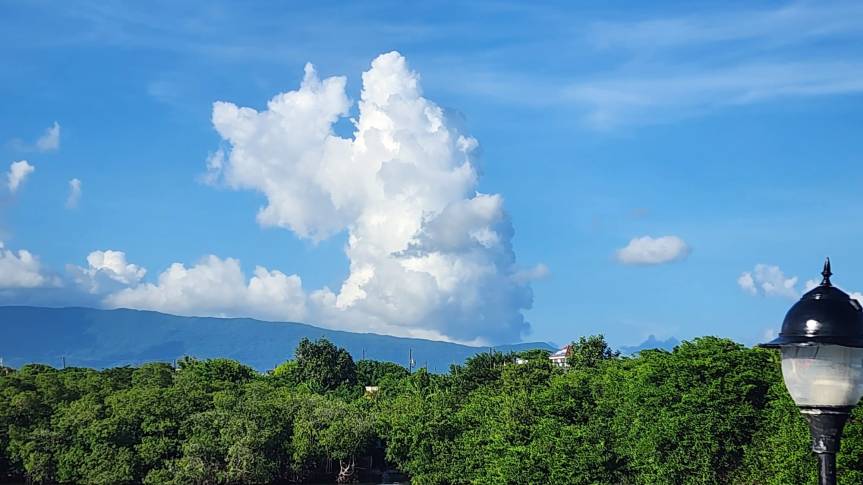
View from Cerulean Bay, looking north. East Prospect, St. Thomas

Then, there’s the culture. Jamaica’s spirit is in every beat of reggae, every sip of rum, every laugh shared over a plate of jerk chicken, curried goat or oxtail, or a steaming bowl of mannish water or red peas soup. Jamaicans live with a vibrant passion that spills over into everything they do, from the food to the music to their welcome. For anyone who’s felt the warmth of a Jamaican’s “Yeah, mon” or “Welcome to Jamaica” greeting, you know what I mean.

And for us in the diaspora, Jamaica isn’t just a destination; it’s a feeling of coming home, of reconnecting with roots, family, and friends. Visiting reminds us of who we are and where we come from. It’s a reunion with our history, our family traditions, and even a taste of the newest Patwa expressions or the latest dance moves. For me, the familiarity with what might seem simple things to others—like stopping at a street vendor for roast corn or listening to the waves while enjoying steam fish and bammy at Hellshire Beach—makes going back feel right.

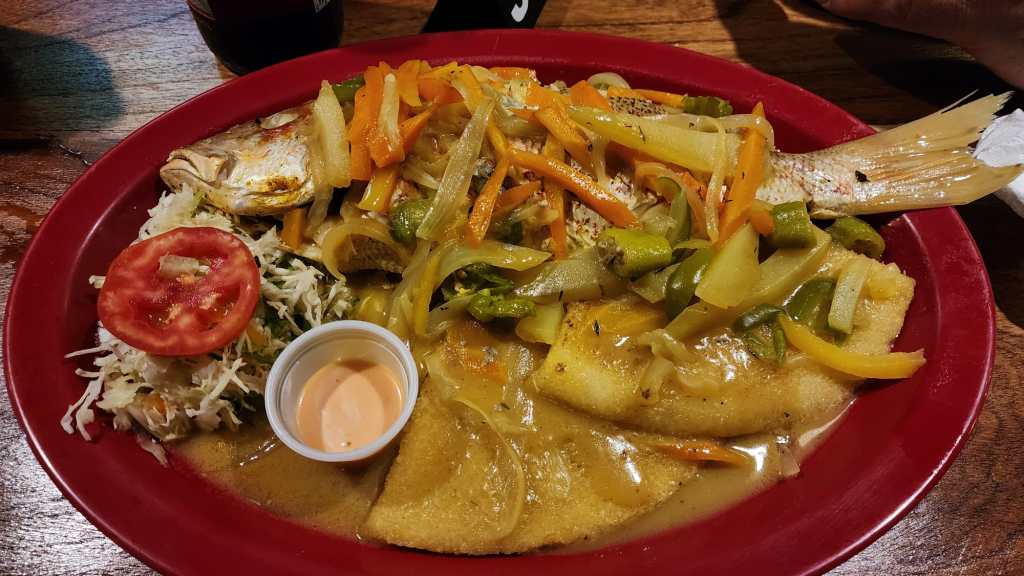
Steamed fish and bammy. Yummy!

And, talking about food, it is one of the biggest draws of going back to Jamaica, especially to St. Thomas. The taste of fresh, unprocessed food simply can’t be matched by the processed options we often find in America. When I’m back on the Rock, I find the flavors are vibrant, full, and real. I love picking mangoes straight from the trees in Norris or enjoying vegetables just harvested from the farm of a friend. Mangoes, breadfruit, ackee, and fresh callaloo all taste like they’re supposed to: rich and full of nutrients. Each bite reminds me of what food should taste like, with no preservatives or artificial flavors—just pure, natural goodness that makes every meal unforgettable.

One of the things I cherish most when I’m back home, too, is how we share and connect with each other. Memories of growing up in my district. Neighbors aren’t just people who live next door; they’re like family. We visit each other, chat by the fence, share food and celebrate birthdays or other milestones together. If there’s a special dish cooking, especially on a Sunday, a plate will get passed over the fence, or someone will bring by a slice of freshly baked cornmeal or sweet potato pudding. There’s no formality; we share and connect in a natural, effortless way. It’s a level of community that’s hard to find elsewhere and one I deeply miss when I’m away.

In Jamaica, getting around in the very rural areas is less about driving and more about walking, That is what I was used to. We walk everywhere, whether to visit a neighbor, go to the local shop or the post office in Yallahs, or just to go into the hills to get varieties of mangoes we did not have at home. Or, to drop the judgin’ clothes, put on some nice fare, and go for a Sunday afternoon walk after dinner, hoping to meet fudgie along the way. In St. Thomas, walking kept us active and connected to the land and our surroundings. Each step was a part of daily life, so it didn’t feel like exercise but rather a natural way to stay fit and grounded. Walking the roads I grew up on or hiking to the river reminds me of Jamaica’s slower, more connected lifestyle—far from the hustle and bustle that dominates my experience overseas.

Life in Jamaica teaches you patience and adaptability, especially in the country. If the water goes out, we head to the river. If the electricity cuts, we light our lamps and carry on. We bitch about it, but ironically, there’s a calm acceptance stemming from the usedtoness of things we can’t control, which creates peace. St. Thomas, like many rural areas in Jamaica, moves at a different pace where people don’t get stressed out over temporary inconveniences. Instead, we find creative solutions and take it in stride. This attitude is a relief from the fast-paced, high-stress life that often defines life in the diaspora.

Back in Jamaica, life is lived outdoors. In St. Thomas, the fresh air and open spaces invite us to spend our days outside—going to the river, working in small gardens, or raking the yard. Tending to plants, pulling weeds, and harvesting fruits become meaningful parts of daily life. I find a deep sense of satisfaction and connection in these simple activities. The beach or river is never far away, and spending time in nature is just part of the rhythm of life. This outdoor lifestyle is something I’ve missed while living abroad, and it’s a shared way of life across the Caribbean—a region where the land itself feels like family.

Living overseas, we exist. In Jamaica, we live.