Remembering Hurricane Gilbert: A Story of Loss and Unity

It was Sunday afternoon, September 11, 1988. I remember it as though it were yesterday. I was sitting at home in Kingston, watching television. A typical quiet Sunday with no sense that anything was about to change. A neighbor stopped by, on the way from church, and there was something different in her voice. She said she had passed a long line at the shop down the road, people stocking up on food, water, and supplies. Curious, she had asked what was happening, and the answer startled her: a hurricane was coming. That was the first I heard of it. I hadn’t caught a whisper of warning before then. Only after she said it did I switch on the radio, and there it was, urgent and unrelenting. Hurricane Gilbert was approaching Jamaica. I scrambled to prepare, buying what I could. Canned and dry food. Candles and batteries for the flashlights. I did not have bottled water back in the day, so I filled all the containers I had, both for drinking and for domestic activities. Bathing and washing. Would I be prepared enough? It seemed Gilbert was shaping up to be a serious one.

The next day, Monday, September 12, around midday, Gilbert arrived. At first, it was hardly impressive. Just a whimper of wind against the house. A kind of restless breeze that made me wonder if the warnings were exaggerated. But soon, the storm began to build. The wooden louvres downstairs started flexing in and out as though they were breathing. Through the crack of the door, I saw tall trees bending, swaying, and then snapping like matchsticks. The sound of it stays with me even now: wood breaking, zinc screeching, the howl of a wind that seemed determined to tear everything down. Gilbert came ashore with sustained winds of over 125 miles per hour, a Category 3 hurricane, and unlike some other storms that brush one corner of the island now and again, this one crossed the entire length of Jamaica. The eye carved a path from east to west, leaving no parish untouched.
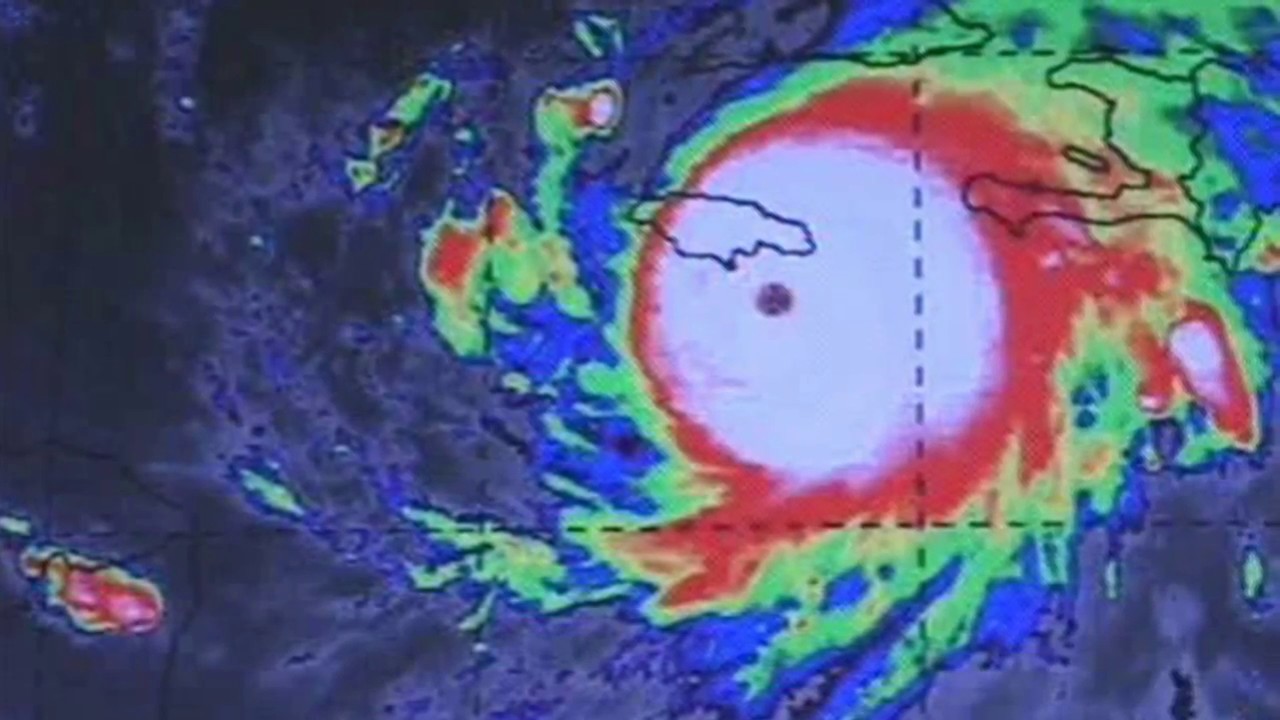
The storm raged for what felt like hours, though I suppose it was only two or so. Then came a sudden stillness. The winds dropped, the rain stopped, and the world outside was strangely a dull kind of bright. I stepped out into the eye of the storm, bolstered the door and windows again, and walked out from Wiggan Loop down Barbican Road. Neighbors were all milling around. Already, roofs were gone. Houses torn open. Trees scattered across the road. And even in the midst of it, Jamaicans found a way to laugh. We joked about the shiny cars sitting in open garages where the roofs had vanished, cars polished and gleaming but now utterly exposed. It was absurd, and maybe laughter was our way of keeping fear at bay. Crying would have done nothing to stop the storm. But the calm was only temporary. Slowly, the winds began to stir again, this time from the opposite direction, and before long, the second half of Gilbert was upon us. Stronger, fiercer, more brutal than before, the storm howled through the night. Zinc sheets became blades, slicing through the sky. Trees that had survived the first battering toppled under the second. The windows battled against the force of the wind, and I held my breath, waiting for the storm to pass.

By morning, Jamaica was a different place. When I stepped outside, the air itself felt sharper, and the light seemed almost too bright. With so many trees gone, the sky poured down unfiltered, and from my vantage point, it was like I could see clear toward downtown Kingston if I looked hard enough. But, in all, it was a view I had never had before. People wandered the streets in disbelief, greeting neighbors, surveying the damage. Gilbert left behind destruction on a scale few had ever seen. Almost 50 Jamaicans had lost their lives. Entire communities were flattened, banana fields destroyed, coconut groves and sugar crops wiped out. The official figures would later say the damage in Jamaica alone exceeded millions of dollars, but the real cost was written in grief, in broken homes, in lives forever changed.

Survival in the days afterward was its own battle. There was no electricity, no running water, no phones. I lived on canned food, growing tired of the taste but knowing it was all I had. I nursed the water I had, hoping not to run out of it too quickly, for fear of not easily finding fresh supplies. The roads were blocked, so I had no way to reach my family in St. Thomas. For three long days, I knew nothing. Only waiting and wondering if they were alive. But I had faith. At last, a high school friend who had made it through Yallahs into Morant Bay carried the news that I needed. My parents, brothers, sisters, nieces, and nephews were all safe, it seemed. Relief flooded through me. But joy was tempered by loss. My maternal grandmother, who lived alone in Kingston, never came back after Gilbert. She hadn’t gone to St. Thomas or to a sister who also lived in Kingston. And none of her church sisters had seen her. Thirty-seven years later, we still don’t know exactly what happened to her.

The irony is bitter. My grandmother had survived another hurricane exactly 37 years before Gilbert. Hurricane Charlie, which hit Jamaica in 1951, was one that I grew up hearing about. How devasting it was. At that time, my mother had two infant sons, my eldest siblings, and all four of them lived together in a small wooden house in Kingston. My mother told me that when the wind started to pick up, she clutched the children and stepped out into the storm to find shelter, as she feared the walls of the little house were going to buckle. At first, her mother had refused to leave, but she followed her and the kids, stumbling through the howling wind and pounding rain, until they found shelter. By the next morning, their house was flattened. But she and the kids survived. Her mother, my grandmother, survived, too. Yet, 37 years later, almost to the day, Gilbert took my grandmother. I remember watching my mother one day, a few short years afterward, staring into the distance, a single tear slipping down her cheek. When I asked what was wrong, she softly whispered that she was thinking about her mother. I feel she carried that grief until her death in 1994, six years after Gilbert, and I believe she left this world with a broken heart. But I also believe that somewhere beyond the reach of storms, they are reunited, together again.

What stays with me about Gilbert is not only the devastation but the spirit of the people who endured it. We laughed in the face of flying zinc and fallen trees, because laughter was our shield. We shared what we had when supplies were scarce, because community was the only way through. Gilbert was a storm that stripped Jamaica bare, but it also revealed our resilience. Thirty-seven years later, I can still hear the winds in my mind, still see the brightness of that first morning after. Still remember the silence of waiting for news. Gilbert is more than a memory of destruction; it is a reminder of how fragile life is, how much family means, and how Jamaicans, no matter what comes, always find a way to endure. And a constant reminder of my grandmother.
Love at Second Sight – A Story at 30,000 Feet

Early one weekday morning, I boarded a flight in Miami bound for Boston. Like most early-morning travelers, I wasn’t expecting much more than a quiet ride, perhaps a bit of reading or catching up on work before landing. But sometimes, life has a way of surprising you, even in the narrow aisle of an airplane.

As I approached my row, I noticed a lady struggling to lift her carry-on bag into the overhead compartment. Instinctively, I reached out, grabbed hold of the suitcase, and placed it securely above. She gave me a grateful smile and a soft “thank you.” I nodded and slid into my aisle seat.

From the window, an older gentleman greeted me with a warm smile and a cheerful, “Good morning.” Maybe he had seen me help the lady, or maybe he was just one of those people whose warmth is natural and unforced. Either way, I returned the greeting. And, true to my Jamaican nuffness, that boldness that makes striking up conversations with strangers second nature, I asked, “Heading home?”

Love lost and found

“Yes,” he replied. Then he added something that caught me off guard: “My wife lives in Miami, but I live in Boston.”

I must have looked puzzled because he quickly explained, “I visit her about three times a month.” That didn’t exactly make things clearer, but before I could press, he leaned back and began to tell me a story, one that sounded like it belonged in Hollywood rather than in airplane small talk.

More than forty years earlier, just outside of Boston, he and his now-wife were high school sweethearts. Young, in love, full of dreams. But standing in their way was her mother. She wanted another man for her daughter and despised the young boy her daughter had chosen. She did everything she could to break them apart, and eventually, she succeeded.

The two drifted apart after graduation, and life swept them along different paths.

Timing is everything

Four decades later, in the summer of 2016, his brother called with news: “Guess who I just ran into here in Boston?”

It was her, his high school sweetheart. She had returned after the recent death of her mother, carrying her ashes back to Boston. The irony wasn’t lost on him; the very person who had torn them apart in their youth was now gone. The obstacle had vanished.

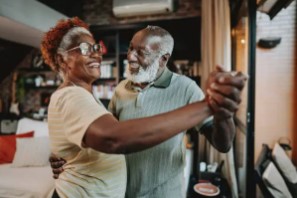
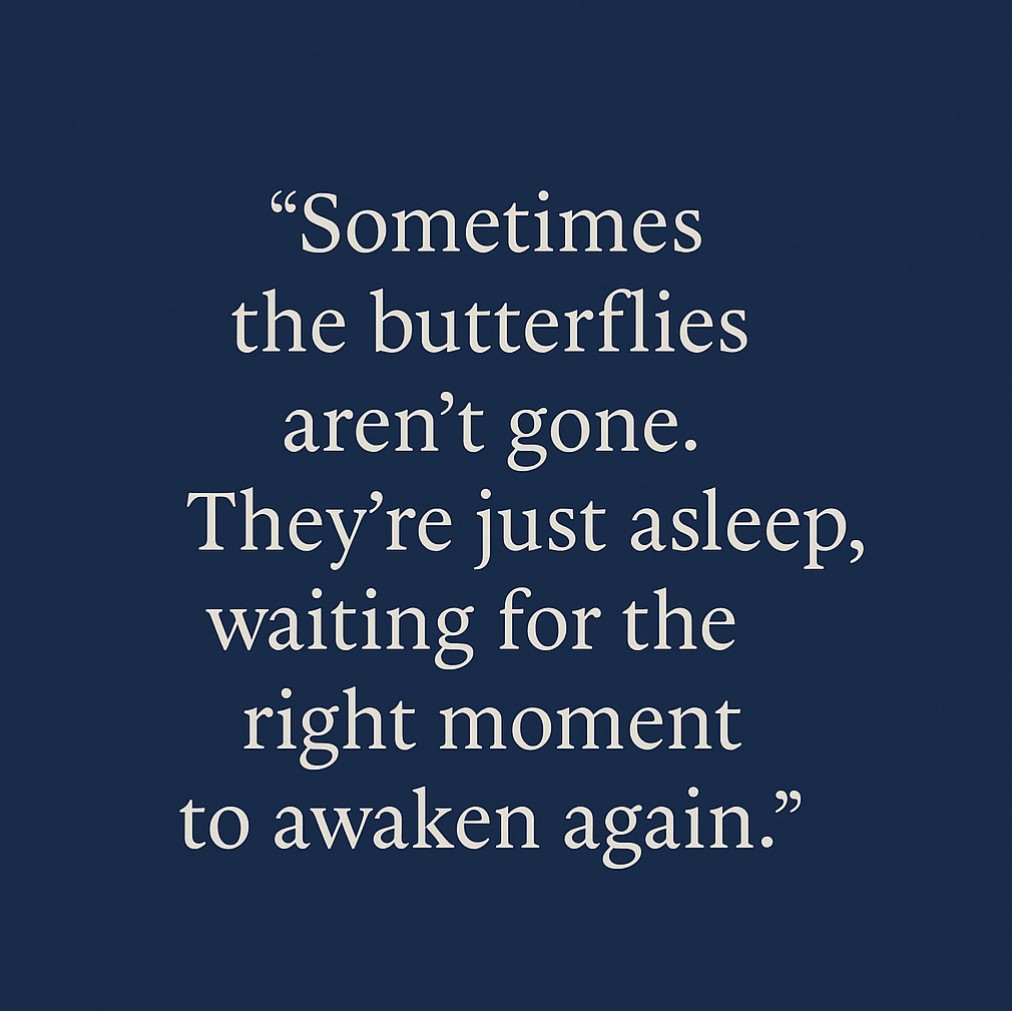
When they met again, the years melted away. The butterflies he thought had long since died were only asleep, waiting for the right moment to stir. Their connection was instant, and the butterflies stirred and started fluttering again. A few weeks later, on July 4, 2016, Independence Day, they married.

Now, he explained, he was in the process of sorting out his affairs in Boston to move permanently to Miami and live with his wife. In the meantime, he made the trip back and forth several times a month.

Reflections on second chances

As the plane took off, I sat back, struck by what I had just heard. Here was proof that love doesn’t always follow a straight path. Sometimes, it detours through decades of separation only to return when the timing is right.

Fate, coincidence, divine intervention, or whatever you call it, something had conspired to bring them back together. Their story reminded me that life is full of second chances. The first chapter might not end the way we hoped, but that doesn’t mean the story is over.

Sometimes, the people and the dreams we thought we had lost return, different, matured by time, but still carrying the spark that first lit our hearts. And maybe that’s the most beautiful kind of love: the one that survives distance, disapproval, and decades, only to emerge stronger when given another chance.


Legacy of Sharing: From Plantation to Community

I grew up in rural Jamaica during the late 1960s and ’70s. In a small district in the eastern parish of St. Thomas named Norris, part of the larger Yallahs area. In Norris and the surrounding neighborhoods like Heartease, Woodbourne, Easington, and Gutter Head, life was measured in small things. How early the roosters crowed and drove us out of our slumber, heralding the start of the day. The sound of rain on zinc roofs that made us sleep like babies, unless your roof leaked and the first cold drip would jolt you out of your dream, and you would jump up, shift the bed, and put pots from the kitchen on the floor to catch the water. And the smell of Sunday dinners floating from houses up and down the neighborhood. Individually, as families, we generally didn’t have much. But, looking back, I realize we had something powerful: a way of communal living that was stitched together, as neighbors, by sharing whatever we had, no matter how small, which made things work for everyone. Life was beautiful.

Back then, farmers coming down from the hills above Windsor Castle, which we called “Mountn,” used to pass our house early on Saturday mornings, donkeys with hampers swaying and slapping their sides in syncopated rhythm under the weight of freshly dug yams and sweet potatoes, bundles of callaloo, plantains, pumpkins and bananas. They were headed to Easington Market, located at the foot of the road that led up to my primary school, to sell their goods. Without fail, one would slow their pace, call out to my mother, “Miss Lil, bring wan basket come!” And when she did, they would place some of the produce in it. No charge. That wasn’t charity. That was life. That was custom.

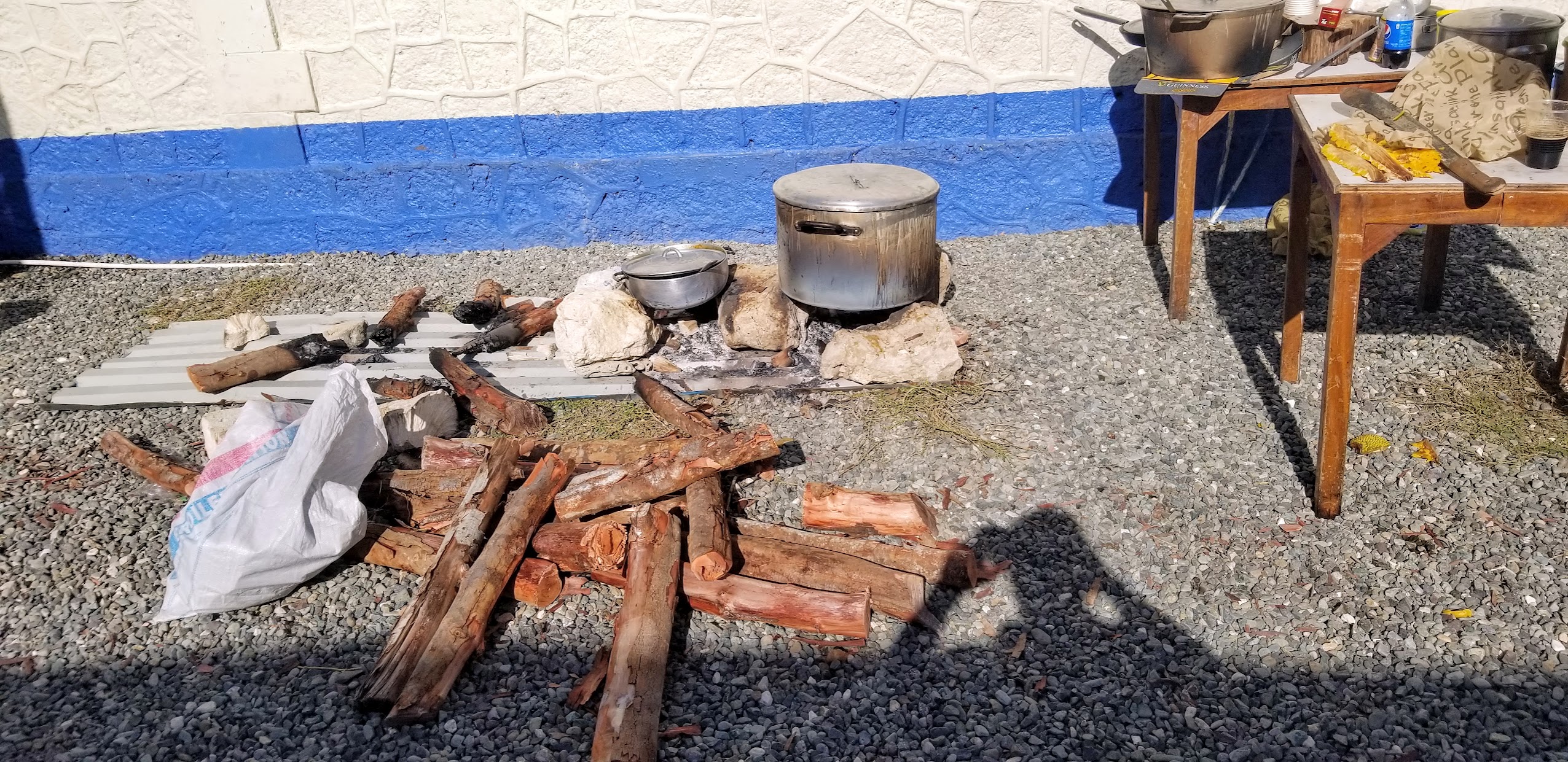
During the week, moms would prepare dinner from anything they had available, no matter how simple, so long as it filled our bellies. But Sundays were a ritual of their own. That was when families splurged, even if it meant counting the pennies. The dinner would start the night before. Soaking the peas for the rice and peas. Grating and juicing coconuts by hand for the coconut milk that would be added to it. Seasoning the goat, or chicken, or beef with fresh herbs and spices. Then, while preparing breakfast, my mother, and all mothers for that matter, would set dinner pots bubbling and simmering on the kerosene stove or charcoal or wood fire with succulent goodness inside, adding flavor to the morning air, straight into mid-afternoon. And then the sharing began. Across wooden and barbed-wire fences and hedges, plates of food would pass. Just a little of what we had, shared because that’s what my people in Norris did. It wasn’t planned or owed. It was part of the rhythm of life.

In Norris, the true spirit of community shone bright in times of need. When a neighbor fell ill and couldn’t manage on their own, the entire district would respond with quiet compassion and swift action. They prepared meals without hesitation. They cleaned the house. They took clothes to Collier’s Spring or to Yallahs River in wash pans balanced on their head to be washed and dried on stones under the sun, then folded neatly and returned. It wasn’t about who had the most, but who gave the most from what little they had. In these moments, the bonds of kinship stretched far beyond blood, as each person became a part of a wider family, showing that in Jamaican rural life, the welfare of one was the concern of all.

It was only much later in my life that I realized that this deeply communal way of living didn’t just come out of rural Jamaican culture. It was something older, deeper. It was a survival blueprint handed down from our enslaved ancestors.

Back on the plantations, enslaved Africans had nothing. No property, no independence, and often no family that wasn’t ripped apart by force. But they had each other. And they found ways to survive. Together.

They created informal economies long before the term existed. They grew food on their little plots of assigned land. Under harsh conditions. And they shared their harvests. They passed down recipes and healing herbs and mothered each other’s children when biological mothers couldn’t. They sang in harmony to keep each other sane, whispered hope between rows of sugarcane, and used the smallest gestures to keep each other’s spirits going. Hiding a piece of stolen saltish and sharing it under the quiet freedom of nightfall. Simple acts of resistance, but of survival too.

What I lived as a child was the echo of all of that.

When my mother gave away mangoes or coconuts from our trees without thinking twice, she was carrying on the tradition of provision ground generosity. Plantation-born and community-preserved. When my neighbors came together to help pay for a funeral or gather around a sick family, they were continuing a pattern first formed when enslaved people pooled what they had. Time, skill, or small change, to look after their own when no one else would.

The idea that “we’re in this together” wasn’t a slogan in Norris. It was just how we lived. And I truly believe that mindset was a direct inheritance from a time when survival depended not on individual wealth, but on collective strength.

Even today, I see it in Jamaican and Caribbean communities near and far. In the way we “throw partner” in Jamaica, or “asue” in Haiti to help each other save. In the way someone might cook a pot of soup or bake a sweet potato pudding and bring some over without being asked. In how we help raise each other’s children, how we gather for nine nights and lend a hand at weddings, baptisms, or when the roof starts leaking. Even on the scale of the whole neighborhood of farmers giving a day’s work, free, to help one farmer till his soil and plant his crops, which is then reciprocated until all farms are in production. These aren’t coincidences. They’re cultural memory at work.

We may have left the plantations long ago, but the survival strategies born in that crucible live on in how we treat one another in rural Jamaica, with generosity, with dignity, and with the instinct to care.

So,  when I think about the men on the road with their donkeys, or the women passing plates over fences, or the children running between yards like family, it’s clear to me now: they weren’t just kind people. They were part of a much larger story. One that began in pain but grew into something beautiful. Because even now, after centuries, we understand something essential: we’re still in the same boat. And that boat floats on the kindness, resilience, and shared spirit of those who came before us.

My Norris Friends on My Mind

Two days ago, I got a Facebook friend invitation. I did not recognize the name entirely, although it sounded familiar as I repeated it mentally. The profile picture was of no help because it was too dark. I could not pick out the features. However, I was half-sure who it was. One of my sisters, now living in Canada, had told me just earlier that she had reconnected with a childhood friend of ours. A friend from way back in the day in Jamaica. We lived in Norris, St. Thomas, and this friend was from Gutter Head, an adjoining district up the road from us. On the way to the hills of Windsor Castle on the left at the intersection there, and down to Logwood and Yallahs on the right.  However, we all went to the same primary school — all-age at the time — in Easington, the district on the other side of Norris. Right after going over the bridge that spanned Yallahs River.

Continue reading “My Norris Friends on My Mind”

Welcome Home to Africa

I read in the news yesterday that Ludacris has just gotten Gabonese citizenship. It seems his wife is from Gabon, and so he got it through her. Irrespective of how he got it, though, it is symbolic of a wave of Africanism that has been cresting over the past few years. Specifically, the facet of Africanism I am referring to is the reconnection of dispersed Africans with the continent of their origin in tangible ways. Like gaining African citizenship, for example. Citizenship through familial ties as in Ludacris’ case, by way of residency, or via conferral as in Ghana’s 2019 Year of Return program.

Continue reading “Welcome Home to Africa”

Gone Fishing

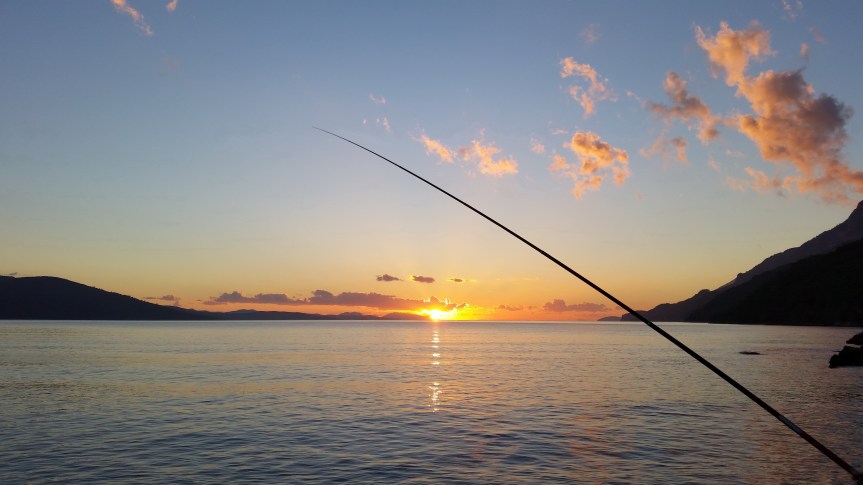
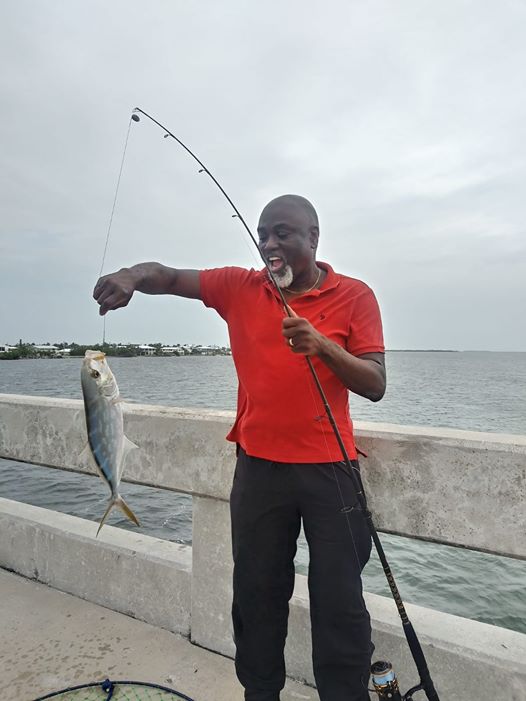
Last Sunday I went fishing. Down in the Florida Keys. I can’t remember the names of some of the keys, for there are so many. The most popular ones don’t escape me though, like Key Largo, Marathon, Big Pine Key and, of course, Key West. Key West is perhaps the most well-known as there are so many stories about its famous residents, past and present, including Ernest Hemingway and the descendants of his polydactyl cats. And one I will never forget is in the lower Keys. Ironic that I will forever remember it as that one has no name. No Name Key. Yes, that is its real name. A name so unique it is unforgettable. There is where I went fishing. Well, not exactly there, but from the bridge you have to cross to get there from Big Pine Key.

Not bad!
Continue reading “Gone Fishing”

Goodbye Artical Don

Facebook has its detractors. Some folk feel it is a privacy-invasion slippery slope. Facebook also has its supporters. Despite all the issues of privacy currently swirling around the platform, I am one of the latter. Not that I am not concerned about privacy. One of the things that pisses me off, for example, is Facebook’s interconnectedness of almost everything else I do on the internet. I google an item I am interested in purchasing and the moment I jump on Facebook after, ads about the product I have just researched start polluting my page! This is not the kind of invasion the detractors gripe about though. They feel their business will soon gaan a street by being on Facebook! What they fail to realize is that if they don’t post their business there is no way it will gaa street!

Continue reading “Goodbye Artical Don”

On the Road to Africa

“Free seating, free seating! Sit anywhere you want!” He had to be talking to me, as it was I who had posed him the question about whether or not he was in the right seat. By the way he pitched his head though, and his voice too, he seemed to be addressing all of the boarding passengers. Perhaps he was already inebriated, getting a head start on buffering himself from the paranoia of being up in the air for the duration of the flight, scheduled to take off in less than half-an-hour. A head start on the liquoring up was necessary, just in case the plane was not adequately equipped – rather, stocked – with the precious fear-of-flying antidote. Flying was meant for birds, and not for man, locked down in great big iron contraptions, hurtling through the skies at forty thousand feet. I have been on countless flights where passengers, scared of flying, either took sleeping pills before take-off, or started numbing themselves with alcohol in the airport bars before boarding.

Continue reading “On the Road to Africa”

Caribbean Christmas in Flight

The Air France flight just took off from Toussaint L’Ouverture in Port-au-Prince, headed for Miami, after a pit stop coming from Pointe-a-Pitre. On the way up from Guadeloupe there was an older man and a younger-looking woman seated beside me, just behind the exit row on the left hand side of the plane. Haiti was their destination, as a young dreadlocked guy is now sitting in the window seat of my row, the middle seat empty.

Continue reading “Caribbean Christmas in Flight”

Upon the Departure of My Mother

I did not cry when my mother died. Not when I got the news. I was in the kitchen at home in Florida, tooling around the stove trying to fix a quick breakfast, when the red, car-shaped phone rang. I reached quickly into the corner of the counter where it was parked and grabbed it before it stopped ringing. I pressed the on button and jammed it against my ear, gripping it firmly between my hunched-up shoulder and my head, cocked awkwardly to the side. They were my extra pair of hands, as I needed my regular pair to delicately turn my eggs over so as not to burst the red; I loved them slightly runny, just like my mother used to prepare them for my father when I was a little bwoy growing up in Norris. My brother’s voice came through from the other end of the line: “Miss Lil gone,” were the words I heard, somewhat perfunctory, and the egg red burst.

Continue reading “Upon the Departure of My Mother”