Early one weekday morning, I boarded a flight in Miami bound for Boston. Like most early-morning travelers, I wasn’t expecting much more than a quiet ride, perhaps a bit of reading or catching up on work before landing. But sometimes, life has a way of surprising you, even in the narrow aisle of an airplane.
As I approached my row, I noticed a lady struggling to lift her carry-on bag into the overhead compartment. Instinctively, I reached out, grabbed hold of the suitcase, and placed it securely above. She gave me a grateful smile and a soft “thank you.” I nodded and slid into my aisle seat.
From the window, an older gentleman greeted me with a warm smile and a cheerful, “Good morning.” Maybe he had seen me help the lady, or maybe he was just one of those people whose warmth is natural and unforced. Either way, I returned the greeting. And, true to my Jamaican nuffness, that boldness that makes striking up conversations with strangers second nature, I asked, “Heading home?”
Love lost and found
“Yes,” he replied. Then he added something that caught me off guard: “My wife lives in Miami, but I live in Boston.”
I must have looked puzzled because he quickly explained, “I visit her about three times a month.” That didn’t exactly make things clearer, but before I could press, he leaned back and began to tell me a story, one that sounded like it belonged in Hollywood rather than in airplane small talk.
More than forty years earlier, just outside of Boston, he and his now-wife were high school sweethearts. Young, in love, full of dreams. But standing in their way was her mother. She wanted another man for her daughter and despised the young boy her daughter had chosen. She did everything she could to break them apart, and eventually, she succeeded.
The two drifted apart after graduation, and life swept them along different paths.
Timing is everything
Four decades later, in the summer of 2016, his brother called with news: “Guess who I just ran into here in Boston?”
It was her, his high school sweetheart. She had returned after the recent death of her mother, carrying her ashes back to Boston. The irony wasn’t lost on him; the very person who had torn them apart in their youth was now gone. The obstacle had vanished.
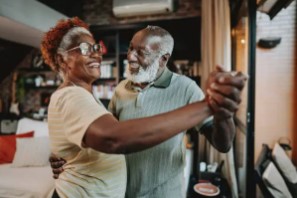
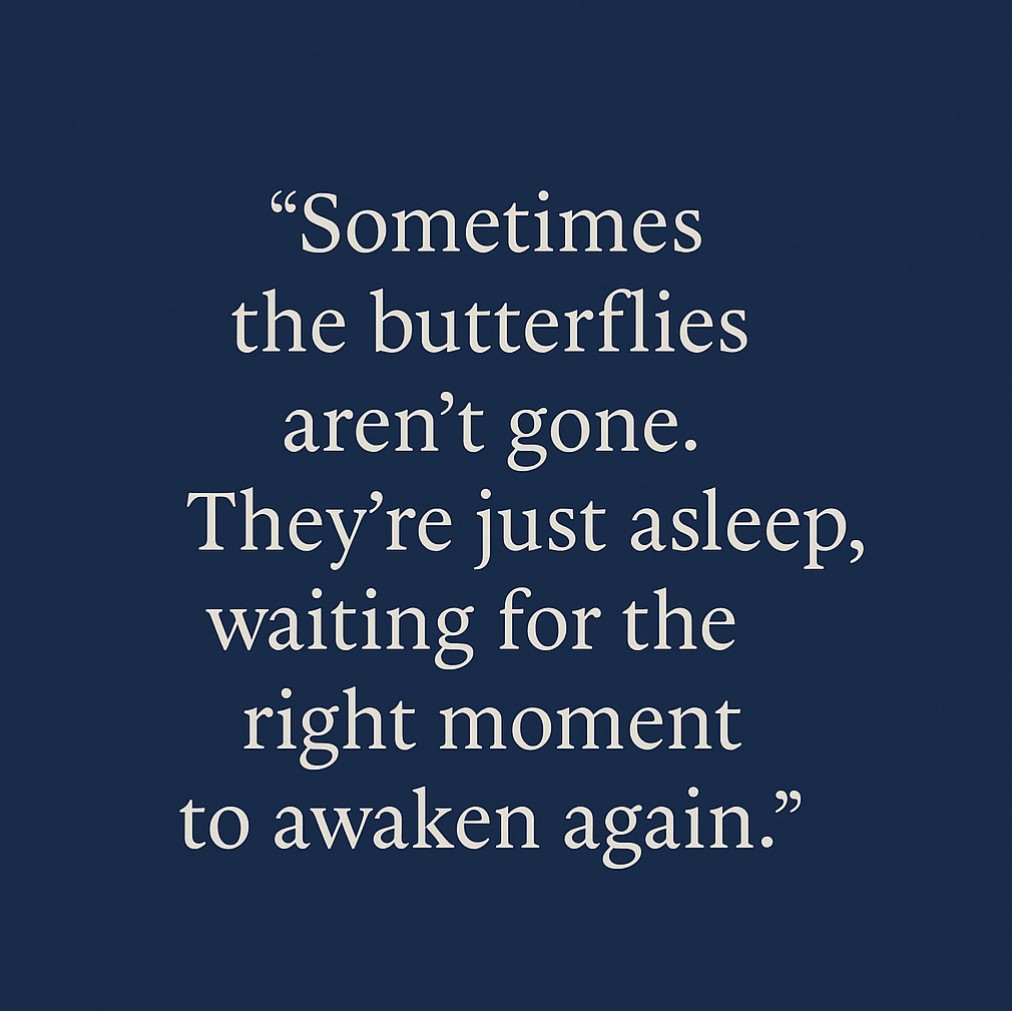
When they met again, the years melted away. The butterflies he thought had long since died were only asleep, waiting for the right moment to stir. Their connection was instant, and the butterflies stirred and started fluttering again. A few weeks later, on July 4, 2016, Independence Day, they married.
Now, he explained, he was in the process of sorting out his affairs in Boston to move permanently to Miami and live with his wife. In the meantime, he made the trip back and forth several times a month.
Reflections on second chances
As the plane took off, I sat back, struck by what I had just heard. Here was proof that love doesn’t always follow a straight path. Sometimes, it detours through decades of separation only to return when the timing is right.
Fate, coincidence, divine intervention, or whatever you call it, something had conspired to bring them back together. Their story reminded me that life is full of second chances. The first chapter might not end the way we hoped, but that doesn’t mean the story is over.
Sometimes, the people and the dreams we thought we had lost return, different, matured by time, but still carrying the spark that first lit our hearts. And maybe that’s the most beautiful kind of love: the one that survives distance, disapproval, and decades, only to emerge stronger when given another chance.
I grew up in rural Jamaica during the late 1960s and ’70s. In a small district in the eastern parish of St. Thomas named Norris, part of the larger Yallahs area. In Norris and the surrounding neighborhoods like Heartease, Woodbourne, Easington, and Gutter Head, life was measured in small things. How early the roosters crowed and drove us out of our slumber, heralding the start of the day. The sound of rain on zinc roofs that made us sleep like babies, unless your roof leaked and the first cold drip would jolt you out of your dream, and you would jump up, shift the bed, and put pots from the kitchen on the floor to catch the water. And the smell of Sunday dinners floating from houses up and down the neighborhood. Individually, as families, we generally didn’t have much. But, looking back, I realize we had something powerful: a way of communal living that was stitched together, as neighbors, by sharing whatever we had, no matter how small, which made things work for everyone. Life was beautiful.
Back then, farmers coming down from the hills above Windsor Castle, which we called “Mountn,” used to pass our house early on Saturday mornings, donkeys with hampers swaying and slapping their sides in syncopated rhythm under the weight of freshly dug yams and sweet potatoes, bundles of callaloo, plantains, pumpkins and bananas. They were headed to Easington Market, located at the foot of the road that led up to my primary school, to sell their goods. Without fail, one would slow their pace, call out to my mother, “Miss Lil, bring wan basket come!” And when she did, they would place some of the produce in it. No charge. That wasn’t charity. That was life. That was custom.
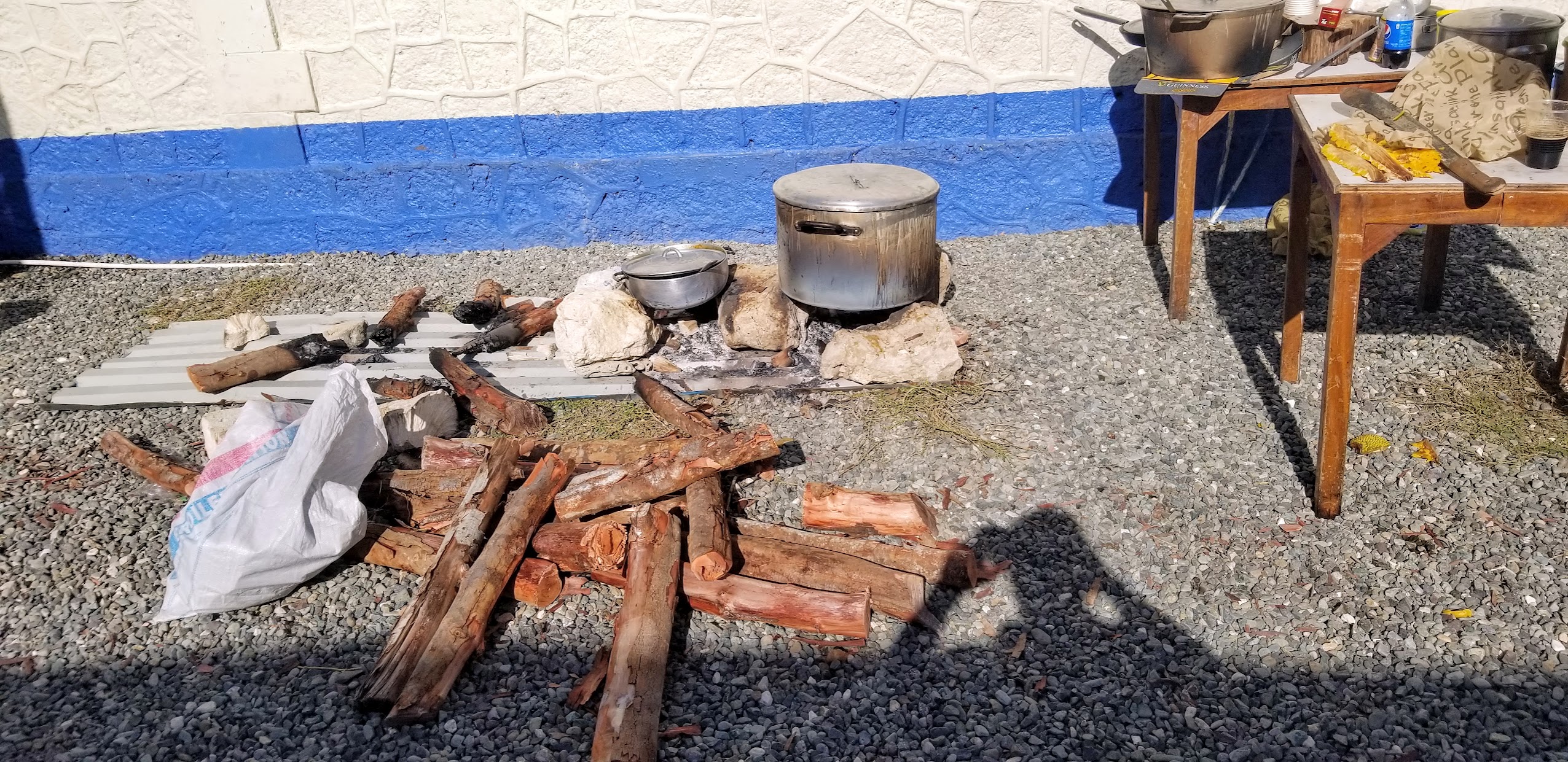
During the week, moms would prepare dinner from anything they had available, no matter how simple, so long as it filled our bellies. But Sundays were a ritual of their own. That was when families splurged, even if it meant counting the pennies. The dinner would start the night before. Soaking the peas for the rice and peas. Grating and juicing coconuts by hand for the coconut milk that would be added to it. Seasoning the goat, or chicken, or beef with fresh herbs and spices. Then, while preparing breakfast, my mother, and all mothers for that matter, would set dinner pots bubbling and simmering on the kerosene stove or charcoal or wood fire with succulent goodness inside, adding flavor to the morning air, straight into mid-afternoon. And then the sharing began. Across wooden and barbed-wire fences and hedges, plates of food would pass. Just a little of what we had, shared because that’s what my people in Norris did. It wasn’t planned or owed. It was part of the rhythm of life.
In Norris, the true spirit of community shone bright in times of need. When a neighbor fell ill and couldn’t manage on their own, the entire district would respond with quiet compassion and swift action. They prepared meals without hesitation. They cleaned the house. They took clothes to Collier’s Spring or to Yallahs River in wash pans balanced on their head to be washed and dried on stones under the sun, then folded neatly and returned. It wasn’t about who had the most, but who gave the most from what little they had. In these moments, the bonds of kinship stretched far beyond blood, as each person became a part of a wider family, showing that in Jamaican rural life, the welfare of one was the concern of all.
It was only much later in my life that I realized that this deeply communal way of living didn’t just come out of rural Jamaican culture. It was something older, deeper. It was a survival blueprint handed down from our enslaved ancestors.
Back on the plantations, enslaved Africans had nothing. No property, no independence, and often no family that wasn’t ripped apart by force. But they had each other. And they found ways to survive. Together.
They created informal economies long before the term existed. They grew food on their little plots of assigned land. Under harsh conditions. And they shared their harvests. They passed down recipes and healing herbs and mothered each other’s children when biological mothers couldn’t. They sang in harmony to keep each other sane, whispered hope between rows of sugarcane, and used the smallest gestures to keep each other’s spirits going. Hiding a piece of stolen saltish and sharing it under the quiet freedom of nightfall. Simple acts of resistance, but of survival too.
What I lived as a child was the echo of all of that.
When my mother gave away mangoes or coconuts from our trees without thinking twice, she was carrying on the tradition of provision ground generosity. Plantation-born and community-preserved. When my neighbors came together to help pay for a funeral or gather around a sick family, they were continuing a pattern first formed when enslaved people pooled what they had. Time, skill, or small change, to look after their own when no one else would.
The idea that “we’re in this together” wasn’t a slogan in Norris. It was just how we lived. And I truly believe that mindset was a direct inheritance from a time when survival depended not on individual wealth, but on collective strength.
Even today, I see it in Jamaican and Caribbean communities near and far. In the way we “throw partner” in Jamaica, or “asue” in Haiti to help each other save. In the way someone might cook a pot of soup or bake a sweet potato pudding and bring some over without being asked. In how we help raise each other’s children, how we gather for nine nights and lend a hand at weddings, baptisms, or when the roof starts leaking. Even on the scale of the whole neighborhood of farmers giving a day’s work, free, to help one farmer till his soil and plant his crops, which is then reciprocated until all farms are in production. These aren’t coincidences. They’re cultural memory at work.
We may have left the plantations long ago, but the survival strategies born in that crucible live on in how we treat one another in rural Jamaica, with generosity, with dignity, and with the instinct to care.
So, when I think about the men on the road with their donkeys, or the women passing plates over fences, or the children running between yards like family, it’s clear to me now: they weren’t just kind people. They were part of a much larger story. One that began in pain but grew into something beautiful. Because even now, after centuries, we understand something essential: we’re still in the same boat. And that boat floats on the kindness, resilience, and shared spirit of those who came before us.
Mi son av a daag we niem Mailo. Wahn man daag. Wi adap im fram wahn reskyu plies dong a Maiyami fram im did a wahn likl popi. Im did av wahn neks niem wen wi did get im, bot wi disaid fi giim wahn nyuu wan. Wel, chuu se wi kom fram Jamieka, wi se wi hafi pik wahn niem we rimain wi bout di ailan. Widout blingk iivn wan sekan, mi son lik out, “Mailo!” Miebi im memba di taim dem we im spen a Jamieka, espeshali wen im did likl-bit. So nou aal a unu we nuo Mailo, ar nuo bout im, nuo wa mek im niem Mailo insted a im bort niem Orayan.
Fram mi son likl-bit, im aalwiez se im waahn daag. Bot mi an mi waif ezitiet kaazn se im did yong yong, an wi did nuo se a wii did a go en op a luk aafta di daag if im get wan. Plos wi neva av no dizaiya fi tek kier a no daag. So, wi neva pie im moch main, aalduo wi did kiip it ina di bak a wi main. We paat mi kom fram, wahn plies niem Sen Tamas ina Jamieka, ina wahn likl dischrik niem Naris, daag a neva riili sinting wi did anz an glov. A no laik ou mi si di piipl dem du ya ina farin. Ina mi Naris bush, daag kudn iivn kom pan di veranda, moch muor ina di ous. Bot farin chienj wi so moch somtaim.
Sins wi a taak bout ou farin chienj wi an daag ina di siem briiz, mi memba wahn tuori wahn Jamiekan liedi wi miit ya a Flarida ierz ago tel wi. Shi se wen shi jos kom a Flarida fram Jamieka, shi yuuz tu work wid wahn fambili az wahn liv-iin elpa. Di piipl dem chriit ar gud. Dem did av a daag we dem triit laik dem pikni. Chuu shi kom fram Jamieka shi kudn andastan wa mek. Daag bied. Daag iit gud fuud. Daag gaa dakta. Daag get waak-out. Bot, muor dan evriting els, daag liv ina di ous! Eniou, fi kot a lang tuori shaat, shi se di fambili go pan vakieshan wahn taim an aks ar fi tan a di ous fi tek kier a di daag. Wel, jab a jab, an shi did niid di moni. Plos, laik mi se, di piipl dem triit ar gud-gud.
So, shi tan wid di daag. Miebi yu kyaahn kaal it se shi ton di daag sita. Shi se di fos nait shi wel a mek midnait ina di bed wen aal pan a sodn shi fiil sopm a muuv gens ar an shi jomp op, fraitn. Wen shi tek a stak, a did di daag! Im kom iina ar ruum an jomp iina di bed wid ar! It look laik se a dat im did yuus tu. Shi se di fors ting we kom a ar main a did fi kik im out. Bot den, a piis a piti staat wash ar. Di daag did alwies frenli tu ar an neva baak afta ar. Aalwies a wag im tiel wen im si ar an ron op tu ar. Plos im kliin, an aal brosh tiit. So, neks ting shi nuo, shi pul kova an kova shii an di daag, an di tuu a dem go sliip saida wananeda. So, unu si ou farin kyahn chienj piipl?
So, bak to Misa Mailo. Wi giv iin tu wi son iina di en an get im. Wi draiv go dong a di daag shelta dong a Maiyami wahn Satde maanin. Wi did eksaitid bot a kuestian wiself di siem taim. Wi eksaitid caazn se mi an mi waif fainali agrii se miebi if wi get di daag it wuda elp wi son lorn likl disiplin. Bot wi did stil a wanda if wi did a du di rait ting an mek di rait disizhan. Eniwie, wen wi riich, wi eksplien tu di nais uman ina di afis a wa wi kom fi du. Shi sen wi fi go ina di bak we dem av di kenel-dem so dat wi kuda chuuz eni popi we wi laik. Imagin se di fors popi we mi son si, im se dat a di wan im waahn! Mi tel im fi go chuu an luk pan di res bifuo im disaid. Miebi im wuda si a neks wan we im prefa muor. Bot im se noo, dat dat a di wan we im waahn. So Orayan, we a did im niem befuor Mailo, did a di wan. Wi chek im piepa-dem, mek shuor se evriting gud, sain op fi ton im gyaadian, an kyar im uom.
So, yu tingk se Mailo a fi mi son aluon nou? If yu tink so, yu a luuz yu main. Mi shuor se yu alwiez ier se daag a man bes fren. A uu fiil it nuo it. Wi get fi fiil it, so wi nuo it. Wi get so atach to im dat mi an mi waif kliem uonaship tu! At liis fi di benifit-dem, bot nat fi di trobl fi afi waak im or fiid im wen im raitful uona figat. Mek mi tel yu bout di benifit-dem, caazn se Mailo a wan fren wid nof benifit.
Mailo gi mi a vaibz we mek mi fiil gud. No mata if mi fiil dong, or mi a fret bout notn, or eni ada kaina bad wie, mi ongl afi luk pan im an it mek mi fiil gud ina mi main. Mi no ongl fiil gud ina mi main, it put wahn smail pan mi fies tu. Im av a wie fi aalwiez kom tu mi an put im ed ina mi lap an a wag im tiel, an sen di komfat rait ina mi main. Im av wahn neks stail we im aida sidong or lai dong fronta mi an gi mi wahn luk we sad an afekshanet di siem taim, wid im big blak an wait yai-dem we so brait an shain dat dem melt mi aat. Mi neva nuo, nat ina mi waildes driim, se wahn daag kuda du mi dis!
Wen mi kom uom fram work, iz laik im smel di kyar fram mi draiv chuu di front giet a di kompleks we mi liv an, askaadn tu mi waif, im kwik taim go sidong a di duor. Bai di taim mi riich an put di kii ina di lak, mi ier im a baak uol-iip. Wen mi go iin, im jomp op pan mi ar go bitwiin mi fut dem, wid im tiel a wag laik Mis Mieri tong wen shi a chat tu di nieba-dem. Iz laik se im a se mi lef im fi di uol die an im jos api fi si mi. An a di siem ting fi mi. Mi luk faawod fi siim evri taim wen die don.
Bot a no ongl mi aalwiez mis Mailo. Mi son an mi waif go chruu di siem ting. Somtaim di chrii a wi go we tugeda, yuujali pan vakieshan outa di konchri, an so wi afi buod im out. Wi aalwiez lef im wid di muos wandaful kopl we av waahn gud daag-kiipin sorvis. Dem sen wi pikcha kopl taim evri die wid im an di ada daag-dem a plie, iit, or a snogl op wid dem ina wahn kouch. Iivn duo wi get di pikcha-dem wi stil mis im. So, somtaim wen wi kom bak uom liet ina di nait, an iivn duo wi alwiez mek arienjment fi pik im op di falarin die wen taim dat apm, iz laik se wi waahn go striet fi im di muoment wi lef Maiami Ierpuot. Iz laik se wi kyaahn wiet fi siim.
Bot duo it abvios se Mailo lov di chrii a wi jos laik ow wi lov im, somtaim im no laayal ataal! Nat dat im no laayal to di chrii a wi, bot ongl nat tu mi an mi waif, kaaz im kori-fieva bad tuwaad im raitful uona. Im wuda de-de a jomp an praans roun wid mi, di tuu a wi a av nais taim tugeda, bot di muoment mi son apier, im lef mi kwik taim an rosh towaad im. Im av a naasti stail fi dis mi jos so! Somtaim mi fiil laik fi kos. An wen yu tingk se mi a di wan we alwiez a luk out fi im an a du eniting im waahn wen mi waif an mi son strik pan im. Mek mi gi unu som egzampl a wa mi miin:
Mailo ban fram go eniwe ina di kichin. Im kyahn go ina eni ada ruum dongstiers, bot di kichin aaf-limit. Enitaim mi waif ar mi son ina di kichin, im wi go rait op a di edj an strech im ed an luk iin. Iz laik wahn lain draa pan di fluor we ongl im kyahn si bot kyaahn craas. Bot, ges wa? If mi de ina di kichin aluon, im struol iin kuul-kuul an a snif pan di fluor fi si if notn drap we im kyahn iit, ar a luk pan mi a uop se mi av som kaina triit fi giim. Bot if im eva ier mi waif ar mi son futstep a kom, wan spring im spring outa di kichin! Dopi nuo uu fi fraitn indiid! Mi waif an son aalwiez komplien se mi spwail im, an a chruu. Chruu to di paint we iz laik im waahn fi kantruol mi laif nou an diktiet tu mi. Im tek chaaj a mi nou, a chrai mek mi du wa im waahn insted a di ada wie roun. Mek mi eksplien di riizn wai mi se so:
Yu si, Mailo a wahn gud daag. An wahn veri smaat wan at dat. Im veri iizi fi trien, so im veri obiidient. Stap, sidong, kom – im nuo aal a dem, an im rispek dem. Tel im paa an im riez im lef paa fi gi yu wahn luo faiv. Wn yu let im out fi do du im bizniz, im nuo fi sidong an wiet til yu put di liish pan im bifuor im redi fi dash aaf. Di trik fi trien im a fi giim wahn triit wen im rispan di rait wie tu yu komaan-dem. Laik wen im outsaid an yu tel im fi kom an wen im kom yu riwaad im wid wahn triit. Wel, mi av di abit fi giim triit liet evri iivnin. Bifuo mi giim, mi chrien im fi sidong pan di mat we de a di bak duor. So, bikaaz a dis trienin, di muoment im si mi tek op di triit bag, im rosh go sidong pan di mat. Gess wa? It riich di stiej nou we wen iivnin kom an mi no giim no triit, somtaim mi fiil im jomp op an put im paa-dem ina mi bak. Den wen mi luk roun, a wanda wai dis daag waahn sopraiz an drapkik mi, im rosh gaa di mat, sidong, an luk pahn mi. A wiet fi mi giim triit. So, if daag no smaat, a uu den? Im a trien mi fi rispan tu im komaan-dem!
Bai di wie, wi afi kierful bout sortn word we wi yuuz roun im nouadiez. Laik di word “triit.” Im nuo da wan de gud. Fram di minit wen im ier it, im rosh go pan di mat go sidong pan it. So, if mi a aaks mi waif if shi giim no triit fi di die, chuu se mi no waahn giim tumoch, mi afi spel out di word T-R-I-I-T so dat mi no kaaz im fi rosh go pan di mat. Tangk gudnis se im kyaahn spel!
Jamaica is often in the news about crime. Now and again, they make a big splash about it in overseas media, like here in the USA, where I live. If you’re from Jamaica like me or have roots there, you’ve probably felt that familiar frustration when reading these headlines. Frustration on two fronts. Sure, crime is a reality on the Rock, as it is everywhere, but how did we get there in a country that doesn’t even manufacture guns yet somehow struggles with violence? It’s a tough question., but it’s not the whole story of Jamaica. There’s often a missing piece. That is the spirit, the resilience, and the beauty that still draw people from around the world to this tiny island.
Overseas media often paint an image of Jamaica as if crime permeates every corner. Travel advisories sometimes lean in this direction, warning visitors as though they’re entering a country that is a total danger zone. But that’s not the case though. Millions of tourists flock to the island every year. For the vast majority, their experiences are nothing but memorable—vibrant landscapes, welcoming locals, and all the charm and rhythm that the country offers. And they keep returning. Diaspora Jamaicans, like me, go home regularly, and most of us enjoy our visits with no issues. Yes, there have been cases where travelers or returning residents have become victims, which is heartbreaking. Yet, in the grand scope of things, such cases are rare compared to the volume of visitors who come and go without a hitch. The Jamaica that’s left out of these advisories is the Jamaica that still thrives, welcoming anyone who sets foot on its shores.
So, why do we, tourists and diaspora alike, keep returning? The reasons are many and varied, deeply embedded in what Jamaica offers beyond the headlines.
For starters, there’s the landscape itself—a natural beauty that’s hard to find elsewhere. Whether it’s the cascading waterfalls of Dunn’s River, the Blue Mountains’ misty peaks, or the pristine beaches that line the coast, Jamaica has a way of grounding you in nature. It’s a beauty that feels untouched, a little wild, yet endlessly inviting.
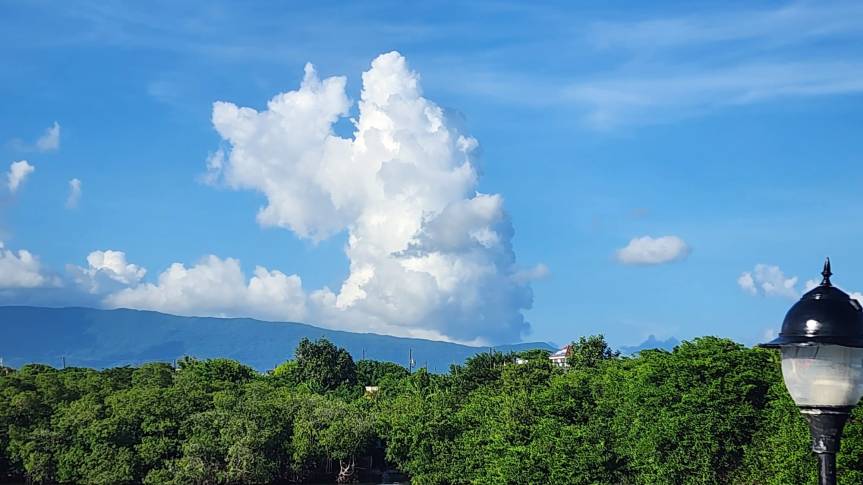
View from Cerulean Bay, looking north. East Prospect, St. Thomas
Then, there’s the culture. Jamaica’s spirit is in every beat of reggae, every sip of rum, every laugh shared over a plate of jerk chicken, curried goat or oxtail, or a steaming bowl of mannish water or red peas soup. Jamaicans live with a vibrant passion that spills over into everything they do, from the food to the music to their welcome. For anyone who’s felt the warmth of a Jamaican’s “Yeah, mon” or “Welcome to Jamaica” greeting, you know what I mean.
And for us in the diaspora, Jamaica isn’t just a destination; it’s a feeling of coming home, of reconnecting with roots, family, and friends. Visiting reminds us of who we are and where we come from. It’s a reunion with our history, our family traditions, and even a taste of the newest Patwa expressions or the latest dance moves. For me, the familiarity with what might seem simple things to others—like stopping at a street vendor for roast corn or listening to the waves while enjoying steam fish and bammy at Hellshire Beach—makes going back feel right.
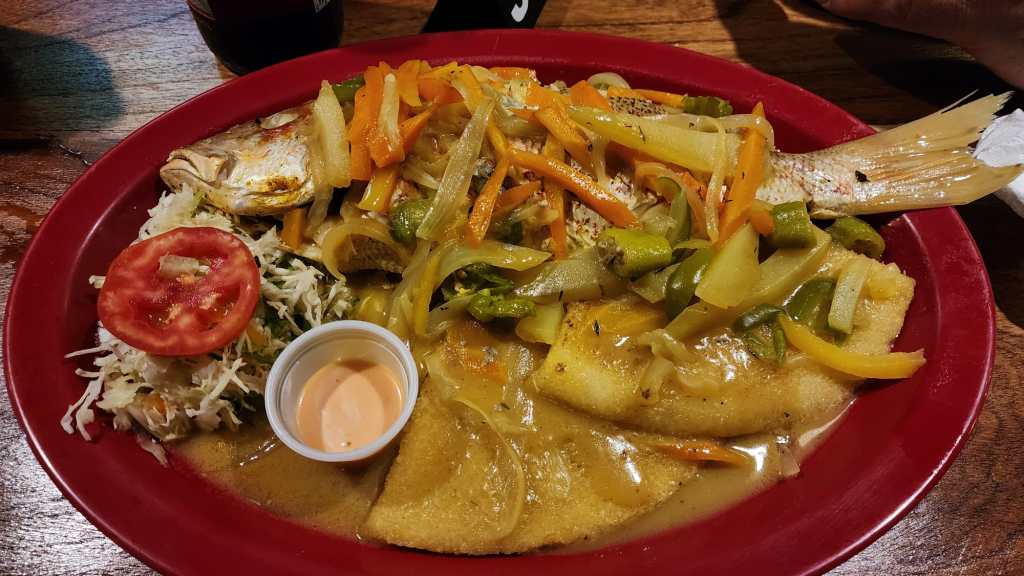
Steamed fish and bammy. Yummy!
And, talking about food, it is one of the biggest draws of going back to Jamaica, especially to St. Thomas. The taste of fresh, unprocessed food simply can’t be matched by the processed options we often find in America. When I’m back on the Rock, I find the flavors are vibrant, full, and real. I love picking mangoes straight from the trees in Norris or enjoying vegetables just harvested from the farm of a friend. Mangoes, breadfruit, ackee, and fresh callaloo all taste like they’re supposed to: rich and full of nutrients. Each bite reminds me of what food should taste like, with no preservatives or artificial flavors—just pure, natural goodness that makes every meal unforgettable.
One of the things I cherish most when I’m back home, too, is how we share and connect with each other. Memories of growing up in my district. Neighbors aren’t just people who live next door; they’re like family. We visit each other, chat by the fence, share food and celebrate birthdays or other milestones together. If there’s a special dish cooking, especially on a Sunday, a plate will get passed over the fence, or someone will bring by a slice of freshly baked cornmeal or sweet potato pudding. There’s no formality; we share and connect in a natural, effortless way. It’s a level of community that’s hard to find elsewhere and one I deeply miss when I’m away.
In Jamaica, getting around in the very rural areas is less about driving and more about walking, That is what I was used to. We walk everywhere, whether to visit a neighbor, go to the local shop or the post office in Yallahs, or just to go into the hills to get varieties of mangoes we did not have at home. Or, to drop the judgin’ clothes, put on some nice fare, and go for a Sunday afternoon walk after dinner, hoping to meet fudgie along the way. In St. Thomas, walking kept us active and connected to the land and our surroundings. Each step was a part of daily life, so it didn’t feel like exercise but rather a natural way to stay fit and grounded. Walking the roads I grew up on or hiking to the river reminds me of Jamaica’s slower, more connected lifestyle—far from the hustle and bustle that dominates my experience overseas.
Life in Jamaica teaches you patience and adaptability, especially in the country. If the water goes out, we head to the river. If the electricity cuts, we light our lamps and carry on. We bitch about it, but ironically, there’s a calm acceptance stemming from the usedtoness of things we can’t control, which creates peace. St. Thomas, like many rural areas in Jamaica, moves at a different pace where people don’t get stressed out over temporary inconveniences. Instead, we find creative solutions and take it in stride. This attitude is a relief from the fast-paced, high-stress life that often defines life in the diaspora.
Back in Jamaica, life is lived outdoors. In St. Thomas, the fresh air and open spaces invite us to spend our days outside—going to the river, working in small gardens, or raking the yard. Tending to plants, pulling weeds, and harvesting fruits become meaningful parts of daily life. I find a deep sense of satisfaction and connection in these simple activities. The beach or river is never far away, and spending time in nature is just part of the rhythm of life. This outdoor lifestyle is something I’ve missed while living abroad, and it’s a shared way of life across the Caribbean—a region where the land itself feels like family.
I may sound biased, but I don’t think I am. Reggae music is the best. Now, there are different eras of reggae – call them styles if you like — that may have different degrees of bestness, but I am talking about the era of the classic Bob Marleys, Dennis Browns and Beres Hammonds. Some fine Jamaican singers. Incredible lyrics. Among the best, not just on the Rock, but in the world.
Two days ago, I got a Facebook friend invitation. I did not recognize the name entirely, although it sounded familiar as I repeated it mentally. The profile picture was of no help because it was too dark. I could not pick out the features. However, I was half-sure who it was. One of my sisters, now living in Canada, had told me just earlier that she had reconnected with a childhood friend of ours. A friend from way back in the day in Jamaica. We lived in Norris, St. Thomas, and this friend was from Gutter Head, an adjoining district up the road from us. On the way to the hills of Windsor Castle on the left at the intersection there, and down to Logwood and Yallahs on the right. However, we all went to the same primary school — all-age at the time — in Easington, the district on the other side of Norris. Right after going over the bridge that spanned Yallahs River.
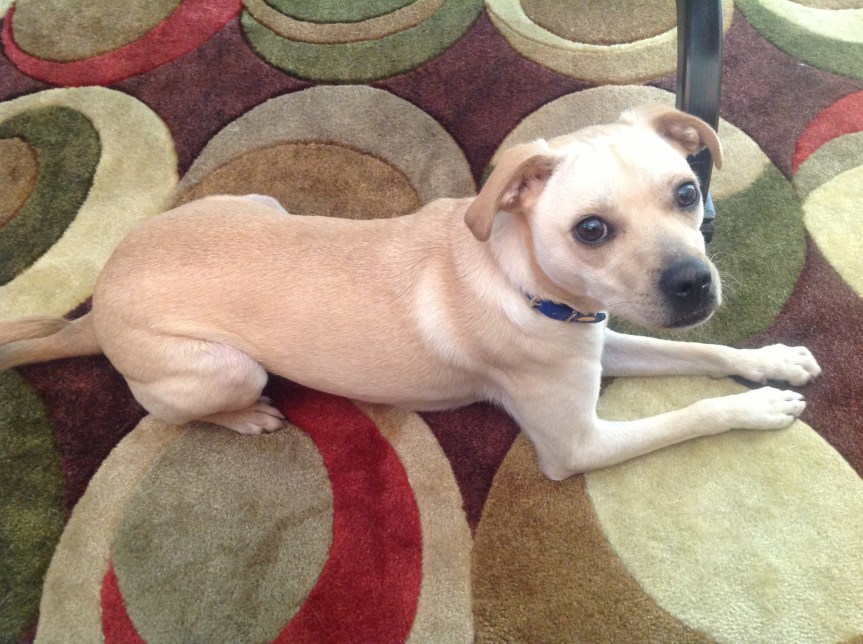
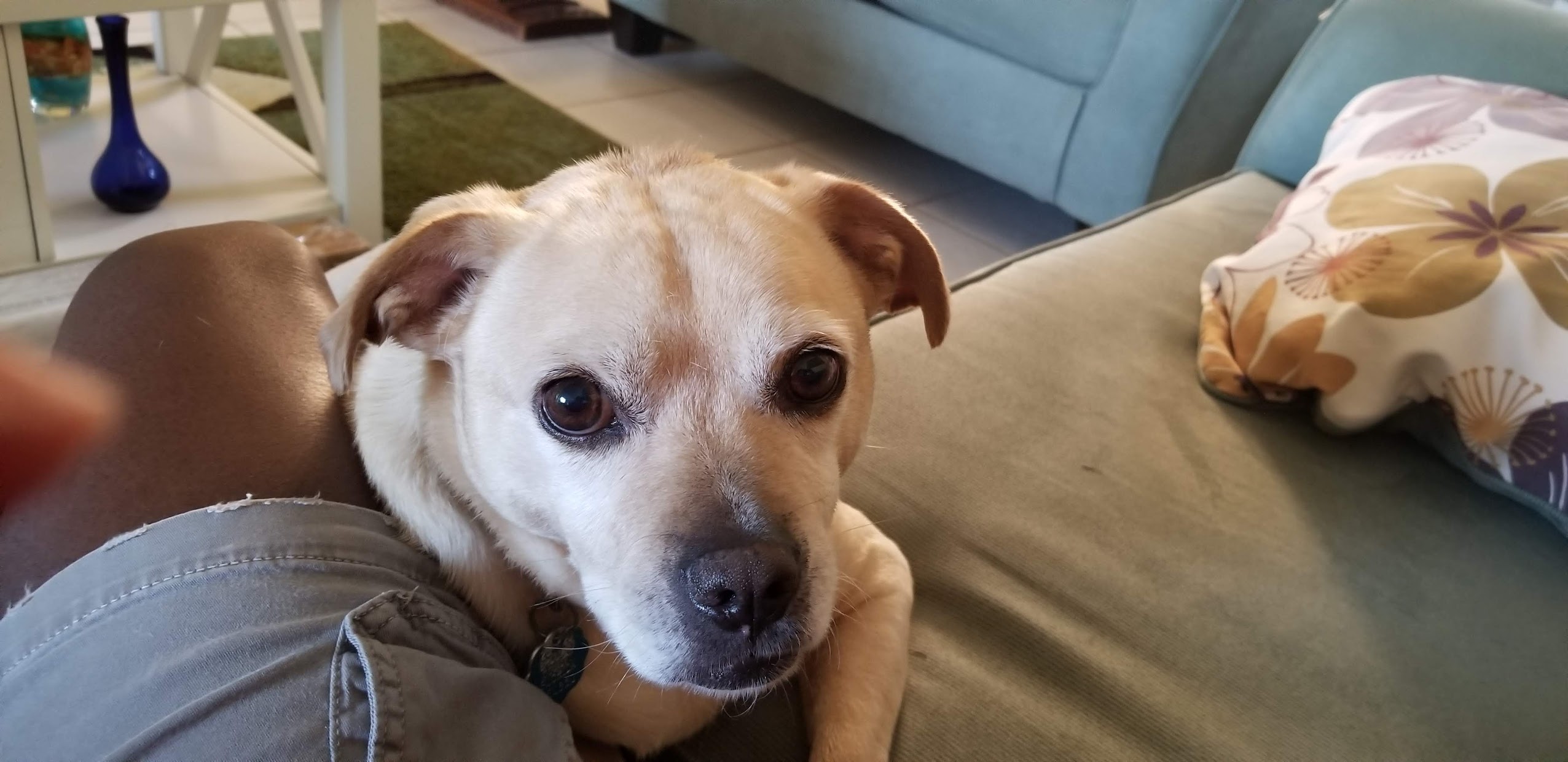
My son have a dog name Milo. A male dog. We adopt him from a rescue place down Miami from him was a puppy. Him did have another name when we get him, but we decide to give him a new one. Well, because we come from Jamaica, we say we have to pick a name that remind we about Jamaica. Without even blinking a second, my son lick out, “Milo!” I guess him have nuff memories of times him spend in Jamaica, especially as a kid. So now all of you that know Milo, or know of him, know why him name Milo instead of him birth name of Orion.
It is the last Sunday in March. I am listening to Kool97 FM from Jamaica, as I often do on a Sunday. They play some great oldies all day long. A combination of mostly American and Jamaican greats of the crooner variety. It is now after 10 at night, Miami time, and they’ve just started throwing down some super reggae classics. Dennis Brown is on deck, and I am feeling mellow. About an hour or so ago, they ran a Bob Andy segment, featuring a string of his hits. Bob passed last week, leaving behind a legacy that will last forever. He possessed musical wizardry that helped introduce an iconic genre of Jamaican music during an era not so long gone, the power of which may never be superseded.
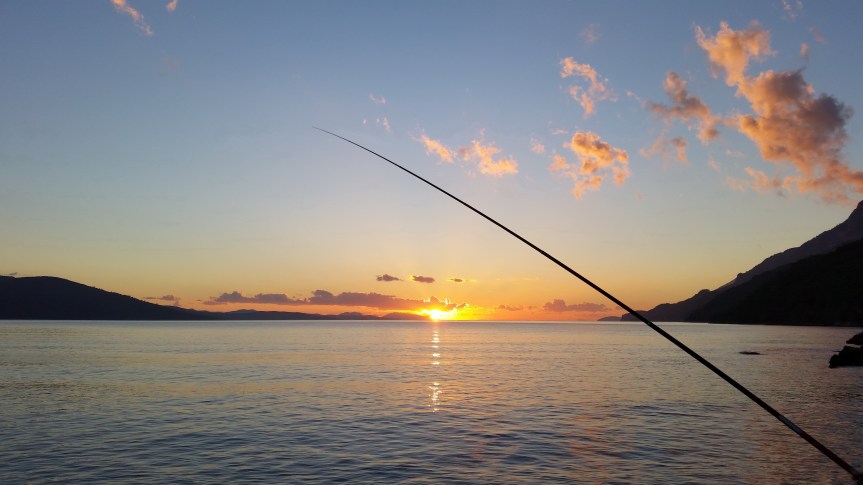
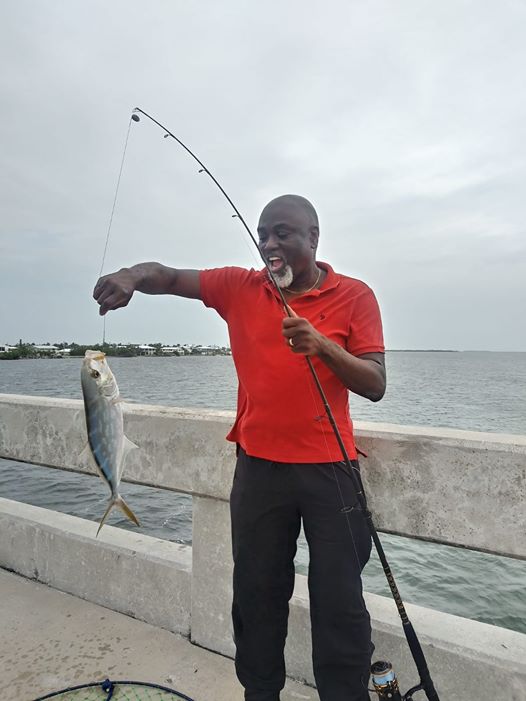
Last Sunday I went fishing. Down in the Florida Keys. I can’t remember the names of some of the keys, for there are so many. The most popular ones don’t escape me though, like Key Largo, Marathon, Big Pine Key and, of course, Key West. Key West is perhaps the most well-known as there are so many stories about its famous residents, past and present, including Ernest Hemingway and the descendants of his polydactyl cats. And one I will never forget is in the lower Keys. Ironic that I will forever remember it as that one has no name. No Name Key. Yes, that is its real name. A name so unique it is unforgettable. There is where I went fishing. Well, not exactly there, but from the bridge you have to cross to get there from Big Pine Key.
A few weeks ago, a friend invited me to participate in a Gratitude Challenge where, for each of three days, I had to list three things for which I was grateful. I posted the lists on Facebook, per the challenge, and have decided to repost them on my blog. Perhaps my decision to repost them is driven by my conviction that giving thanks is necessary in life and doing so is an affirmation of the items of gratitude I originally expressed.




 Through My Periscope