

It was Sunday afternoon, September 11, 1988. I remember it as though it were yesterday. I was sitting at home in Kingston, watching television. A typical quiet Sunday with no sense that anything was about to change. A neighbor stopped by, on the way from church, and there was something different in her voice. She said she had passed a long line at the shop down the road, people stocking up on food, water, and supplies. Curious, she had asked what was happening, and the answer startled her: a hurricane was coming. That was the first I heard of it. I hadn’t caught a whisper of warning before then. Only after she said it did I switch on the radio, and there it was, urgent and unrelenting. Hurricane Gilbert was approaching Jamaica. I scrambled to prepare, buying what I could. Canned and dry food. Candles and batteries for the flashlights. I did not have bottled water back in the day, so I filled all the containers I had, both for drinking and for domestic activities. Bathing and washing. Would I be prepared enough? It seemed Gilbert was shaping up to be a serious one.
The next day, Monday, September 12, around midday, Gilbert arrived. At first, it was hardly impressive. Just a whimper of wind against the house. A kind of restless breeze that made me wonder if the warnings were exaggerated. But soon, the storm began to build. The wooden louvres downstairs started flexing in and out as though they were breathing. Through the crack of the door, I saw tall trees bending, swaying, and then snapping like matchsticks. The sound of it stays with me even now: wood breaking, zinc screeching, the howl of a wind that seemed determined to tear everything down. Gilbert came ashore with sustained winds of over 125 miles per hour, a Category 3 hurricane, and unlike some other storms that brush one corner of the island now and again, this one crossed the entire length of Jamaica. The eye carved a path from east to west, leaving no parish untouched.
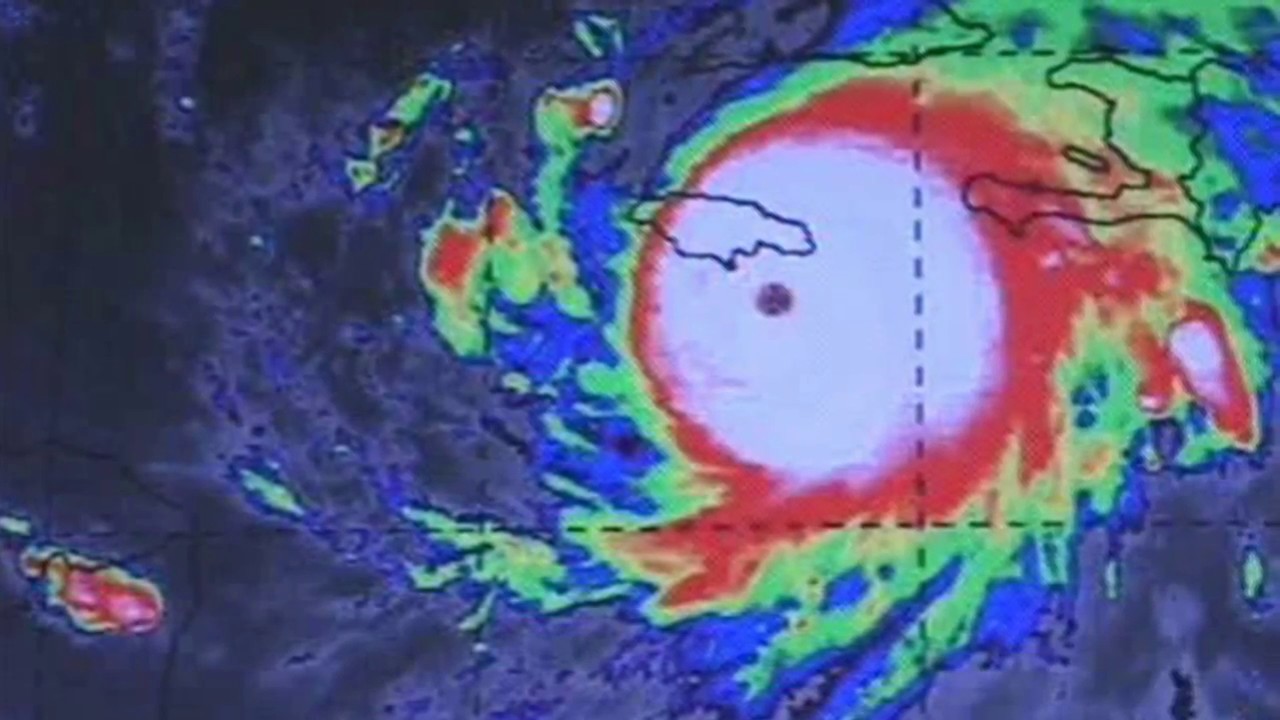
The storm raged for what felt like hours, though I suppose it was only two or so. Then came a sudden stillness. The winds dropped, the rain stopped, and the world outside was strangely a dull kind of bright. I stepped out into the eye of the storm, bolstered the door and windows again, and walked out from Wiggan Loop down Barbican Road. Neighbors were all milling around. Already, roofs were gone. Houses torn open. Trees scattered across the road. And even in the midst of it, Jamaicans found a way to laugh. We joked about the shiny cars sitting in open garages where the roofs had vanished, cars polished and gleaming but now utterly exposed. It was absurd, and maybe laughter was our way of keeping fear at bay. Crying would have done nothing to stop the storm. But the calm was only temporary. Slowly, the winds began to stir again, this time from the opposite direction, and before long, the second half of Gilbert was upon us. Stronger, fiercer, more brutal than before, the storm howled through the night. Zinc sheets became blades, slicing through the sky. Trees that had survived the first battering toppled under the second. The windows battled against the force of the wind, and I held my breath, waiting for the storm to pass.
By morning, Jamaica was a different place. When I stepped outside, the air itself felt sharper, and the light seemed almost too bright. With so many trees gone, the sky poured down unfiltered, and from my vantage point, it was like I could see clear toward downtown Kingston if I looked hard enough. But, in all, it was a view I had never had before. People wandered the streets in disbelief, greeting neighbors, surveying the damage. Gilbert left behind destruction on a scale few had ever seen. Almost 50 Jamaicans had lost their lives. Entire communities were flattened, banana fields destroyed, coconut groves and sugar crops wiped out. The official figures would later say the damage in Jamaica alone exceeded millions of dollars, but the real cost was written in grief, in broken homes, in lives forever changed.
Survival in the days afterward was its own battle. There was no electricity, no running water, no phones. I lived on canned food, growing tired of the taste but knowing it was all I had. I nursed the water I had, hoping not to run out of it too quickly, for fear of not easily finding fresh supplies. The roads were blocked, so I had no way to reach my family in St. Thomas. For three long days, I knew nothing. Only waiting and wondering if they were alive. But I had faith. At last, a high school friend who had made it through Yallahs into Morant Bay carried the news that I needed. My parents, brothers, sisters, nieces, and nephews were all safe, it seemed. Relief flooded through me. But joy was tempered by loss. My maternal grandmother, who lived alone in Kingston, never came back after Gilbert. She hadn’t gone to St. Thomas or to a sister who also lived in Kingston. And none of her church sisters had seen her. Thirty-seven years later, we still don’t know exactly what happened to her.
The irony is bitter. My grandmother had survived another hurricane exactly 37 years before Gilbert. Hurricane Charlie, which hit Jamaica in 1951, was one that I grew up hearing about. How devasting it was. At that time, my mother had two infant sons, my eldest siblings, and all four of them lived together in a small wooden house in Kingston. My mother told me that when the wind started to pick up, she clutched the children and stepped out into the storm to find shelter, as she feared the walls of the little house were going to buckle. At first, her mother had refused to leave, but she followed her and the kids, stumbling through the howling wind and pounding rain, until they found shelter. By the next morning, their house was flattened. But she and the kids survived. Her mother, my grandmother, survived, too. Yet, 37 years later, almost to the day, Gilbert took my grandmother. I remember watching my mother one day, a few short years afterward, staring into the distance, a single tear slipping down her cheek. When I asked what was wrong, she softly whispered that she was thinking about her mother. I feel she carried that grief until her death in 1994, six years after Gilbert, and I believe she left this world with a broken heart. But I also believe that somewhere beyond the reach of storms, they are reunited, together again.
What stays with me about Gilbert is not only the devastation but the spirit of the people who endured it. We laughed in the face of flying zinc and fallen trees, because laughter was our shield. We shared what we had when supplies were scarce, because community was the only way through. Gilbert was a storm that stripped Jamaica bare, but it also revealed our resilience. Thirty-seven years later, I can still hear the winds in my mind, still see the brightness of that first morning after. Still remember the silence of waiting for news. Gilbert is more than a memory of destruction; it is a reminder of how fragile life is, how much family means, and how Jamaicans, no matter what comes, always find a way to endure. And a constant reminder of my grandmother.
 Through My Periscope